
If you are anything like me, you have probably spent way too much time staring down at the water coming out of your kitchen sink and wondering what is actually floating around in there. A few months back, I got fed up. Between the weird metallic aftertaste in my morning coffee and the white crusty buildup forming around my faucet nozzles, I knew I needed to change how my household dealt with drinking water. Buying endless cases of plastic bottled water was out of the question—who wants to lug heavy plastic home every weekend and add to the landfill just to get a decent glass of water?
That is when I started seriously looking into filtration systems. After diving down a massive internet rabbit hole, reading endless forum threads, and comparing specs, I decided to pull the trigger on a setup from Visit Official Website Now. I wanted to see if the hype around modern filtration technology lived up to daily real-world use. Fast forward several months later, and I am finally ready to share my thoughts on how this gear performs in a busy, messy, real-life kitchen.
Why I Finally Decided to Upgrade My Kitchen Water Setup
Let’s set the scene. I live in an older neighborhood where the municipal water supply is heavily treated. When you turn on the tap, you can practically smell the swimming pool chemicals. It wasn’t necessarily unsafe, but it tasted terrible. My wife refused to drink it straight, and even my houseplants seemed a bit grumpy when I watered them directly from the faucet.
I tried one of those standard pitcher filters sitting in the fridge door for a while. You know the ones—they take twenty minutes to drip through four drops of water, and right about the time you actually want a cold glass, the reservoir is bone dry because somebody forgot to refill it. Plus, changing those tiny filters felt like a constant chore, and I never really knew when they stopped working effectively.
I needed something more substantial. I wanted faster flow, better reduction of heavy metals and weird tastes, and a setup that didn’t require me to hire a licensed plumber just to get it working. After scrolling through countless product pages, the waterdrop filter lineup caught my eye because of their sleek designs and clever tankless reverse osmosis options. They seemed to bridge the gap between industrial-grade purification and normal home kitchen aesthetics.
Unboxing and Setting Up: Was It Actually Easy?
I am somewhat handy around the house, but plumbing projects always give me a mild panic attack. The thought of cutting pipes or flooding my kitchen cabinet underneath the sink makes my palms sweat. When the big brown box arrived on my porch, I stared at it in my entryway for a solid evening before finally getting the courage to open it up.
To my absolute relief, the installation process was way more straightforward than I anticipated. The instructions were actually written by someone who speaks English as a first language, complete with clear diagrams. Most of the connections used quick-push fittings. If you have ever hooked up an ice maker line to a refrigerator, you already know the exact motion required.
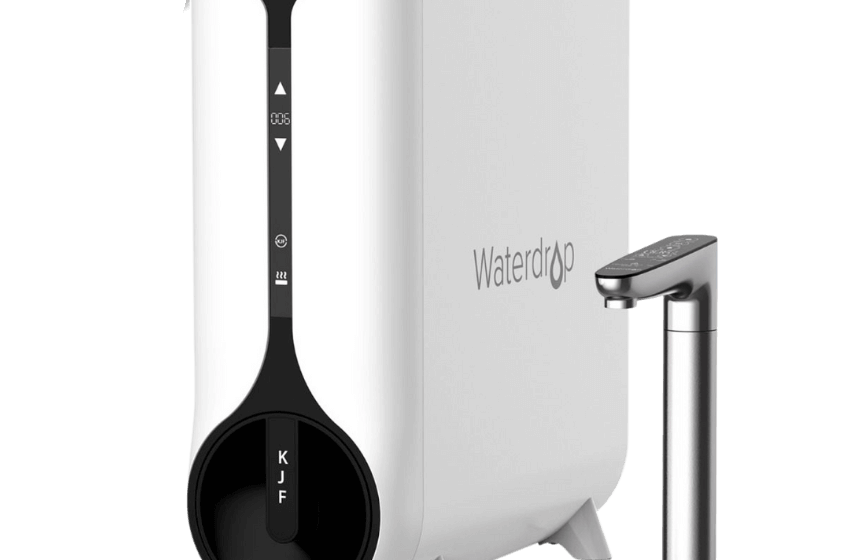
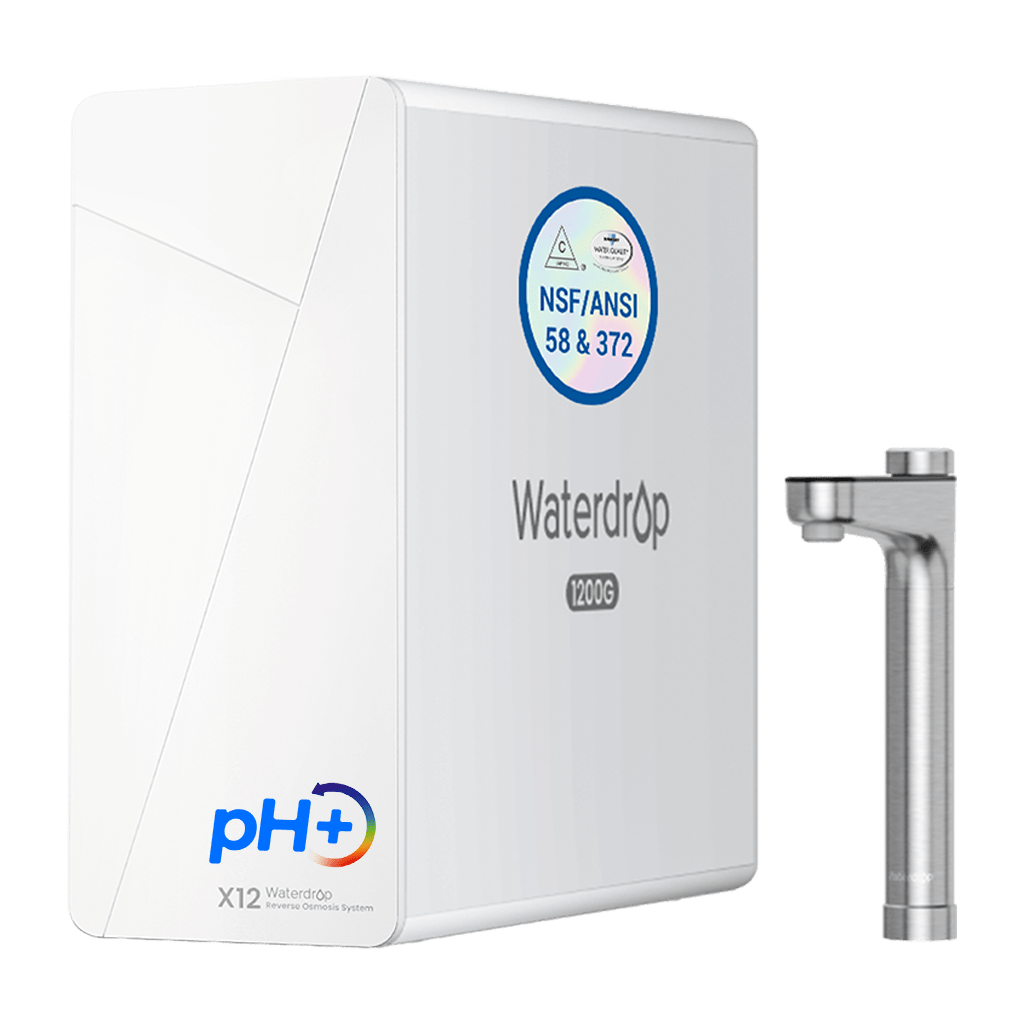
The unit I chose fits neatly underneath my sink. Because it features a tankless design, it saved a massive amount of storage space. Anyone who has dealt with traditional reverse osmosis systems knows they usually come with a giant pressurized metal tank that takes up 90% of your under-sink real estate, leaving barely enough room for a bottle of dish soap and a sponge. Not having that bulky tank was a game-changer for me. I still had plenty of room to stash cleaning supplies.
Flushing the system took a few minutes as directed, and within an hour of opening the box, I was standing in my kitchen staring at a dedicated, sleek little faucet mounted right next to my main sink tap. Time for the ultimate test.
The First Glass: Taste Test and Daily Living
I grabbed a clean glass, held it under the spout, and filled it up. The water poured out with a satisfying, steady stream—none of that agonizing trickle you get from older filtration setups. I held it up to the light. Crystal clear. No tiny air bubbles, no cloudiness.
I took a sip.
Honestly? It tasted like nothing. And in the world of water filtration, “nothing” is the highest compliment you can possibly give. The harsh chemical bite was completely gone. The metallic undertone had vanished. It tasted clean, crisp, and refreshing—very similar to high-end bottled spring water, but coming straight from my own kitchen sink for pennies a gallon.
Over the next few weeks, I started noticing subtle changes in my daily routine:
- Coffee and Tea: My morning pour-over coffee tasted noticeably brighter. Without the heavy chlorine interfering with the extraction, the subtle flavor notes of the beans actually came through.
- Cooking Pasta: Boiling up a big pot of pasta no longer meant filling the water with local tap chemicals. Even boiling veggies felt like a cleaner process.
- Ice Cubes: Our ice cubes stopped smelling weird or picking up funky flavors from the freezer. Clear, odorless ice makes a big difference in an evening cocktail.
- Pet Health: Even my cat seemed to drink more water from her bowl, though that might just be wishful thinking on my part. Still, peace of mind is priceless.
If you are curious about exploring the exact models available, you can Visit Official Website Now to see their full range of under-sink units, pitcher options, and shower filters.
Real Customer Experiences: What Are Other People Saying?
My single experience is great, but no product is perfect for everyone. To give you a well-rounded perspective, I spent some time digging through community reviews, Reddit threads, and verified buyer feedback to see what other folks experienced after installing a waterdrop filter in their homes.
Here are a few representative quotes from everyday users who have lived with these systems for months:
“Installation was a breeze. I am not a plumber by any stretch of the imagination, but I had the whole system hooked up under my kitchen sink in less than an hour. The water quality is night and day compared to our hard municipal water. My kids actually prefer drinking tap water now instead of asking for juice all the time.” — Marcus T., Ohio
“I love the tankless design. Our kitchen island sink cabinet is tiny, and traditional RO systems always took up all the storage space. This unit leaves me plenty of room for my garbage bags and cleaning supplies. Plus, the smart faucet indicator light tells me exactly when I need to swap out the filters so I’m never guessing.” — Sarah L., Texas
“At first, I balked a bit at the upfront cost compared to basic pitchers. But when I calculate how much money we were wasting on bottled water every single month, this system paid for itself within the first year. The water tastes incredible, and changing the filters takes literally thirty seconds with a simple twist.” — David K., Washington
Reading through those reviews confirmed a lot of my own findings. The ease of maintenance and the smart indicator features genuinely solve the annoying maintenance guesswork that plagues older filtration hardware.
Breaking Down Maintenance and Filter Replacements
Let’s talk about the elephant in the room for any water filtration system: upkeep. We have all bought gadgets that work wonderfully for a month, only to become expensive paperweights because finding replacement parts or changing the consumables is a nightmare.
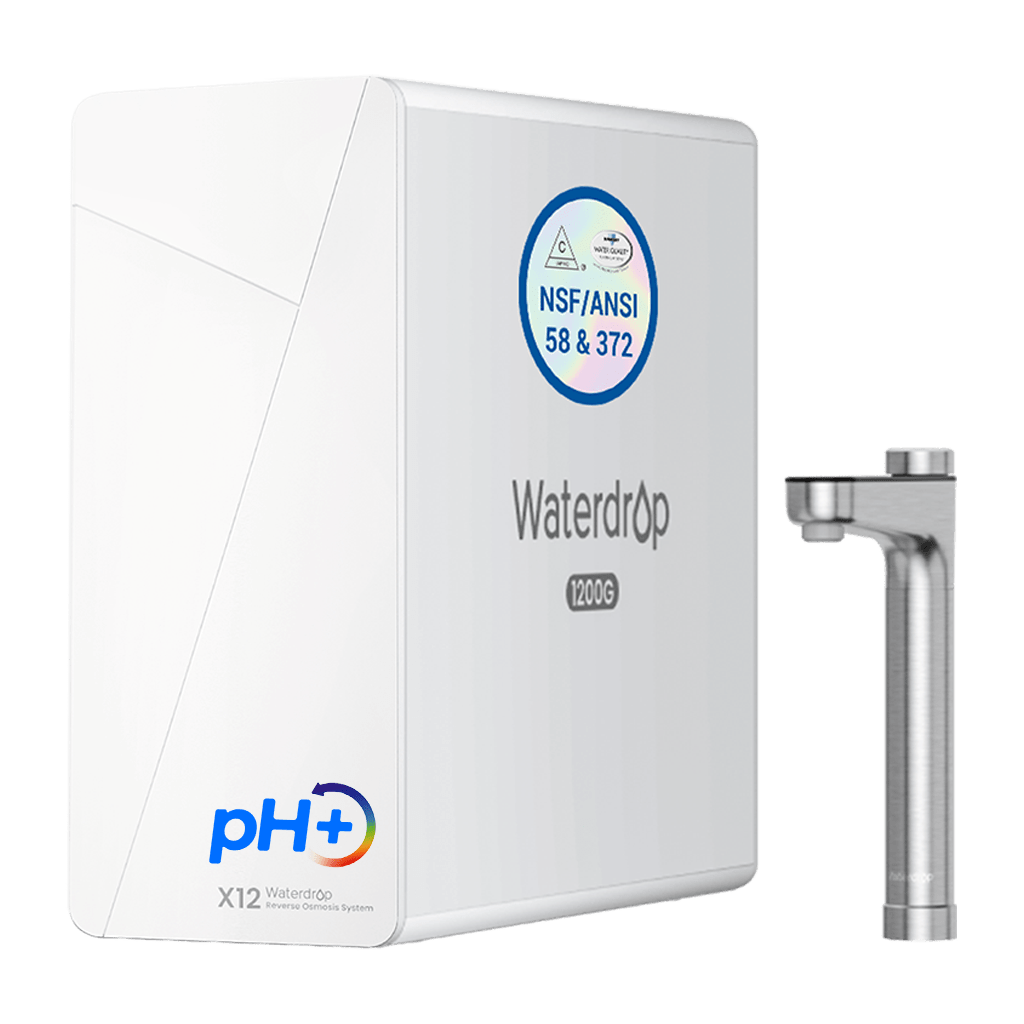
With my setup, changing the filters is remarkably painless. There are no messy housings to unscrew while wrestling with heavy plastic wrenches and dealing with water spilling all over the bottom of your cabinet. Instead, the filters are self-contained cartridges that sit right on the front of the unit. You simply give them a slight twist, pull them out like a cartridge from a printer, and pop the new one right into place.
How often do you actually need to change them? It depends heavily on your household size and your local water source quality. For my two-person household, the pre-filters last around six to twelve months, while the main RO membrane can go up to two years. The smart display on the base unit—and sometimes on the dedicated faucet itself—uses color-coded LED lights to let you know the exact status of each filter. Green means you are good to go, yellow means it is getting close, and red means it is time for a swap.
No guessing, no counting calendar days, no wondering if the water coming out is still properly purified.
Pros and Cons After Months of Daily Use
To keep things balanced, no review would be complete without a realistic look at both the good and the bad aspects of living with this product day in and day out.
The Advantages:
- Exceptional Taste: Removes practically all weird tastes, odors, and dissolved solids.
- Space-Saving Design: Tankless options free up massive amounts of under-sink storage.
- Fast Flow Rate: Fills a glass or a cooking pot in seconds rather than minutes.
- Smart Monitoring: LED indicators take the guesswork out of filter replacement schedules.
- Easy Maintenance: Twist-and-pull cartridge changes require zero plumbing tools.
The Drawbacks:
- Upfront Investment: These systems cost more initially than a simple carbon pitcher or a basic faucet-mounted filter.
- Power Requirement: Because many of the advanced tankless reverse osmosis units use electric pumps to maintain pressure and manage efficiency, you need a power outlet underneath your sink. (If you don’t have one nearby, you may need an extension or an electrician).
- Wastewater Ratio: Like all reverse osmosis systems, there is some wastewater generated during the purification process, though modern units are far more efficient than older generations.
If you want to check out specific technical specifications and see which model matches your kitchen layout, take a look and Visit Official Website Now.
Who Should Buy This System?
After living with a waterdrop filter setup for a solid stretch of time, I can easily pinpoint who will get the most value out of an upgrade like this:
If your tap water tastes like a chemistry experiment, or if you live in an area known for exceptionally hard water and heavy mineral buildup, upgrading makes a massive difference in your quality of life. It is also a fantastic investment for anyone trying to eliminate single-use plastic bottles from their routine once and for all. Families with young children or households that consume a lot of coffee, tea, and home-cooked meals will notice an immediate improvement in flavor and convenience.
On the flip side, if your municipal water supply already tastes like crisp mountain spring water and has zero odor, a heavy-duty reverse osmosis system might be overkill for your specific situation. You might be perfectly happy with a simple under-sink carbon block filter or a basic countertop dispenser.
Final Verdict: Is It Worth Your Hard-Earned Money?
Switching over to a proper filtration system felt like a luxury at first, but after a few months, it has simply become a normal, appreciated part of our daily routine. I no longer worry about what is coming out of the tap. My coffee tastes better, my cooking tastes better, and I have the peace of mind knowing that heavy metals and unwanted chemicals are being filtered out before they reach my glass.
If you are tired of dealing with slow pitchers, suspicious-tasting tap water, or lugging heavy plastic jugs home from the grocery store, looking into a modern waterdrop filter is a step in the right direction. It combines serious filtration power with user-friendly design in a way that very few kitchen appliances manage to pull off.
Ready to upgrade your home hydration game and ditch the bottled water habit for good? Take a look at their current lineup and Visit Official Website Now to find the perfect fit for your kitchen.