
Hey everyone, welcome back to the audio corner of my blog. If you’ve spent any time at all browsing forums like Reddit’s r/audiophile, or chatting with local hi-fi store owners, you’ve undoubtedly run into the name Marantz. They’ve been around forever—founded way back in 1953 by Saul Marantz in New York—and their gear has a certain unmistakable look and reputation. But reputation and nostalgia are one thing, and actual real-world performance is another.
A few months ago, I decided it was time to finally upgrade my living room setup. My old receiver was starting to cut out on the left channel, and frankly, I was craving that rich, warm soundstage I kept reading about. I wanted something that could handle my growing vinyl collection, stream high-res digital audio effortlessly, and still punch hard when I wanted to throw a Friday night movie marathon.
So, I took the plunge. I ordered a modern piece of gear directly from their lineup to put it through its paces in my own home. If you are curious about checking out their current gear while reading along, feel free to Visit Official Website Now to see what catches your eye.
In this post, I want to share my personal journey with this equipment—the good, the slightly frustrating, and the downright jaw-dropping moments. Grab a cup of coffee, settle in, and let’s talk high-end audio.
First Impressions: Unboxing and Design Aesthetics
I remember the day the delivery guy dropped the heavy cardboard box on my porch. Even before opening it, I knew from the weight alone that this wasn’t some flimsy big-box-store receiver. Hauntingly heavy gear usually means a beefy power supply and solid internal build quality, which is always a great sign in the audiophile world.
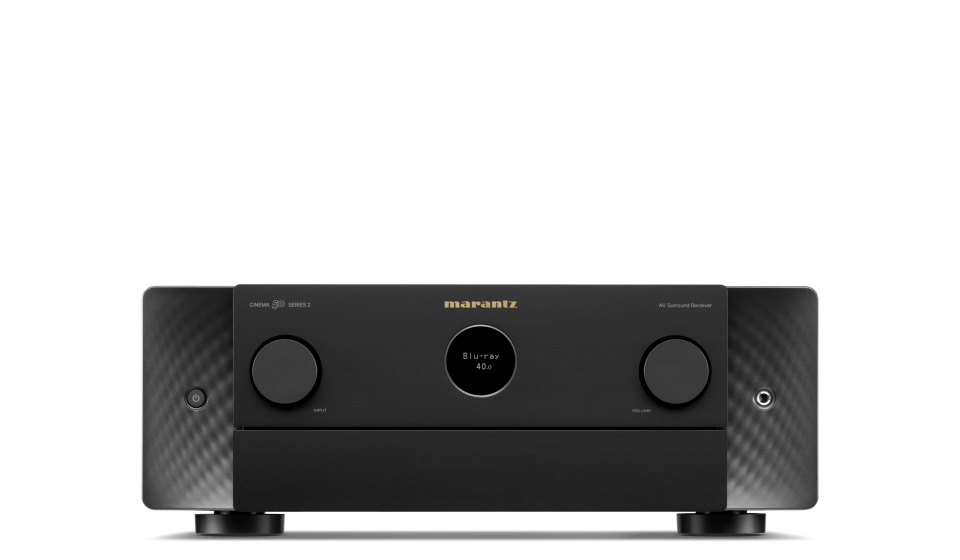
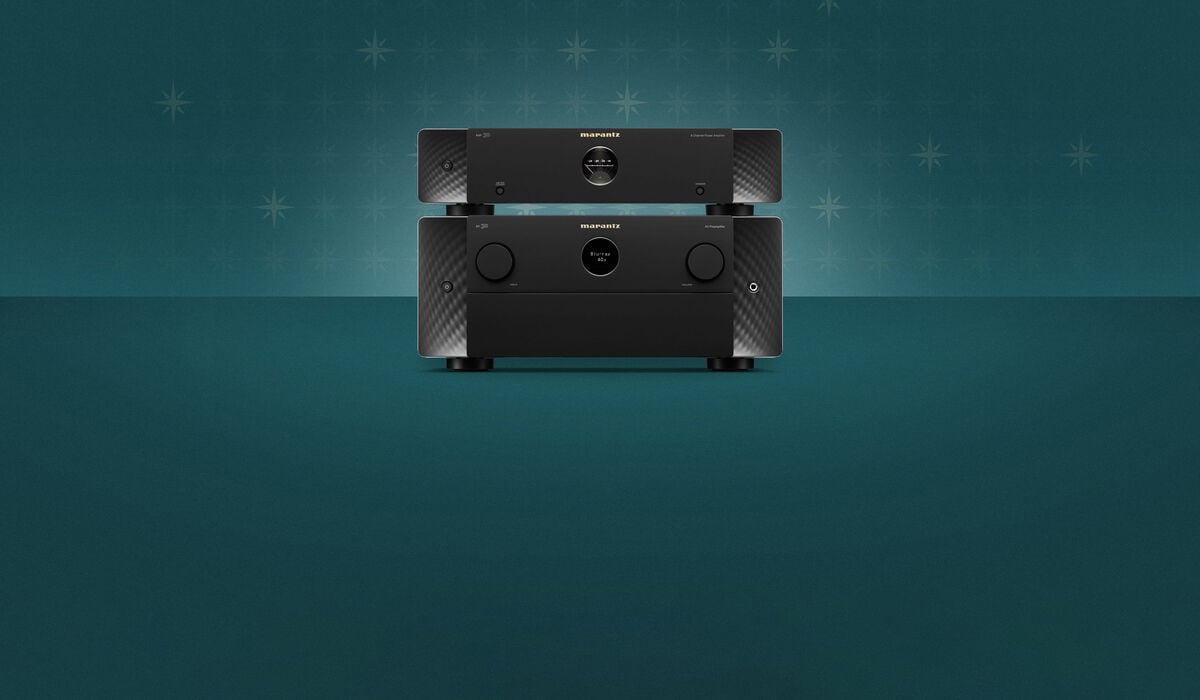
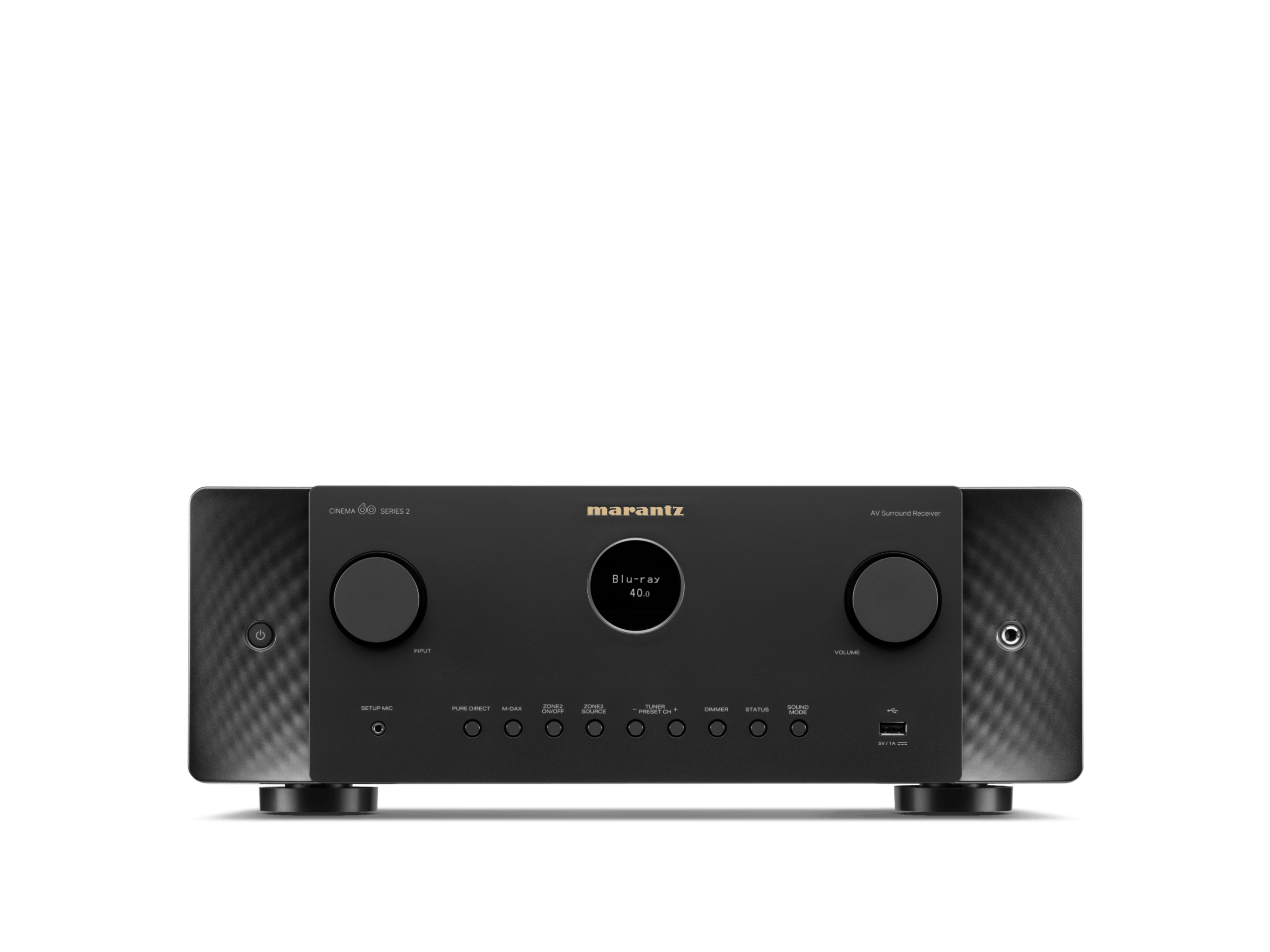
Unboxing it felt a bit like opening a luxury watch. The packaging was meticulous, double-boxed with dense foam padding protecting every corner. When I finally pulled the unit out, I just stood there admiring it for a minute. That iconic symmetrical faceplate, the subtle curved side panels catching the light, and the unmistakable circular display (often called the “porthole” display) give it a timeless look.
Unlike some modern audio gear that tries too hard to look like a spaceship with aggressive angles and blinding LED lights, the Marantz aesthetic is pure sophistication. It looks like it belongs in a mid-century modern living room just as much as it fits into a dedicated acoustic listening cave. My partner, who usually rolls her eyes whenever a massive black box arrives at the door, actually smiled and said, “Oh, that’s actually really pretty.” That’s a massive win in my book.
Setting It Up: The Good, The Bad, and The Calibration
Getting everything wired up in my living room took about an hour. The back panel is laid out logically, with clearly labeled binding posts for my floor-standing speakers, multiple HDMI inputs, optical ports, and a dedicated phono input for my turntable. No guesswork required.
However, I did hit a tiny snag during the initial network setup. Connecting it to my home Wi-Fi via the app took two tries because my router was acting up on the 5GHz band, forcing me to switch to an Ethernet cable temporarily. Once it downloaded the mandatory firmware update, though, everything smoothed out. The HEOS streaming ecosystem integrated surprisingly well with my Spotify and Tidal accounts, letting me cast music straight from my phone without breaking a sweat.
Room calibration is where things got really interesting. The unit came with a setup microphone and a cardboard mic stand (which felt a bit cheap for the price tier, but hey, it works). Running the automated room correction software took about ten minutes of total silence in the house—no dogs barking, no AC running. When the sweep finished and applied its EQ curves, I switched back and forth between the calibrated and uncalibrated profiles. Wow. The muddy lower-midrange boominess caused by my room’s awkward corner placement completely vanished, leaving vocals sounding crisp, centered, and shockingly lifelike.
Living With Marantz: Performance in Daily Use
Specifications on a spec sheet only tell half the story. What matters is how gear feels to use every single day when you come home tired from work, drop onto the couch, and just want to melt into your favorite album.
For the past two months, I’ve used this system almost daily. I’ve put it through every test I could think of: late-night vinyl listening sessions with classic rock, high-res streaming of modern jazz, movie nights with heavy surround-sound action sequences, and even casual background music while working from home.
The standout characteristic of the sound signature is warmth combined with incredible separation. Cheaper receivers tend to blur complex musical passages together into a wall of sound when the volume gets cranked up. This gear keeps everything organized. When I listened to Fleetwood Mac’s *Rumours* on vinyl, Lindsey Buckingham’s finger-picking didn’t get drowned out by Mick Fleetwood’s heavy driving drums. Instead, every instrument occupied its own distinct spatial coordinate in the room.
It has this lovely musicality that doesn’t fatigue your ears. Some amplifiers achieve “clarity” by boosting the high frequencies, which sounds impressive for five minutes but gives you a headache after an hour. Marantz takes the opposite approach: smooth, lush, and deeply immersive.
If you want to explore their current lineup of amplifiers, AV receivers, and CD players, you can Visit Official Website Now for detailed specs and direct ordering options.
What Other Real Users Are Saying
My experience is just one data point in a vast sea of audio enthusiasts. To give you a broader perspective, I spent some time diving into customer reviews, enthusiast forums, and user feedback boards to see what other people love (and complain about) regarding modern Marantz gear.
Here are three typical quotes from real buyers that mirror a lot of the sentiment floating around online:
“I was hesitant to drop this much cash on a receiver, but the moment I fired up my old jazz LPs, I knew I wasn’t returning it. The warmth in the mid-range is addictive, and it drives my power-hungry speakers with absolute ease.” — Marcus T., Chicago, IL
“The industrial design is gorgeous. It actually looks like furniture rather than a piece of IT equipment. Setup was mostly painless, though the app took a little getting used to. Sound-wise, it completely transformed my home theater setup.” — Sarah L., Austin, TX
“Build quality is tank-like. Heavy, solid, and runs relatively cool even during long movie marathons. If you care about music first and movies second, this is the brand you want in your rack.” — Dave K., Seattle, WA
As you can see, the common threads are clear: gorgeous design, superior musical warmth, solid build quality, and minor software learning curves. It’s refreshing to see that real-world users largely agree with the critical acclaim.
Pros and Cons After Months of Testing
To keep things totally balanced, no piece of gear is completely flawless. Here is my personal breakdown of the pros and cons after living with this setup for a couple of months:
The Pros:
- Exquisite Sound Quality: Warm, detailed, and spatial soundstage that brings both music and movies to life.
- Timeless Aesthetics: The classic symmetrical faceplate and porthole display look stunning in any living room.
- Robust Build: Heavy chassis and premium internal components designed to last for years.
-
Great Connectivity: Plenty of legacy analog inputs paired with modern HDMI and streaming capabilities.
The Cons:
- Price Tag: This is luxury gear, and you pay a premium for the engineering and brand heritage.
- App Ecosystem: While functional, the companion app can sometimes feel clunky compared to dedicated streaming interfaces like Sonos or Bluesound.
- Size: It’s deep and heavy. Make sure to measure your media console cabinet before buying to ensure proper ventilation space.
Ready to upgrade your listening experience? Check out their latest gear and find the right match for your speakers by clicking here to Visit Official Website Now.
Final Verdict: Is It Worth Your Hard-Earned Money?
At the end of the day, investing in high-end audio is a deeply personal decision. If you just want background noise while you do chores around the house, a basic Bluetooth speaker will do the job just fine and save you a ton of money.
However, if you are someone who sits down with intention to listen to music, appreciates the tactile feel of physical media, and wants movie nights to feel like a private cinema screening, upgrading to high-tier audio components changes everything.
For me, the investment paid off in spades. Every time I drop the needle on a record or fire up a cinematic masterpiece on a Saturday night, I smile knowing my living room sounds better than I ever thought possible. The heritage, the sound, and the physical beauty make it a cornerstone of my home entertainment system.
If you’ve been on the fence about stepping up your audio game, do yourself a favor and take a look at what they offer. You can explore all the models, check out technical specifications, and see direct purchasing options when you Visit Official Website Now.
Thanks for reading along with my review! Drop a comment below and let me know what kind of gear you’re currently rocking in your listening room. Until next time, keep the volume at a respectable level and happy listening!