

Hey everyone! If you’re anything like me, you’ve probably spent the last few years chained to a desk, staring at a laptop, and watching your daily step count drop to absolute sad levels. I remember checking my phone a while back and realizing I barely cracked 2,000 steps on a normal workday. Two thousand! That’s basically walking to the fridge and back a few times. I felt stiff, sluggish, and honestly, pretty frustrated with myself.
I tried all the usual tricks. I bought a fancy fitness tracker, but let’s be real—getting a vibration on my wrist telling me to “move” just made me want to ignore it out of spite. I tried scheduling walks during lunch, but emails always seemed to pile up. I needed something that felt less like a chore and more like a game, or at least something that made keeping track actually enjoyable.
That’s when I stumbled across stepprs. I know, the name sounds simple enough, but after spending the last few weeks properly testing it out, I wanted to put together my thoughts on what it’s actually like to use. Did it magically turn me into an ultra-marathoner? Absolutely not. But did it get me off the couch? Read on to find out.
My Breaking Point With Sedentary Living
Let’s rewind a bit to late last year. My lower back was constantly tight, my energy levels felt like they were permanently set to “low power mode,” and my doctor gave me that polite-yet-firm lecture about daily movement. You know the one. He didn’t yell, but his eyebrows did all the talking when we looked at my activity logs.
The problem isn’t that I hate walking. I actually love a good evening stroll when the weather is nice. The problem is consistency. I needed a system that kept me accountable without feeling like a drill sergeant living in my pocket. When I started digging into stepprs, I liked that it focused heavily on community and habit-building rather than just dumping a mountain of biometric data on me that I wouldn’t understand anyway.
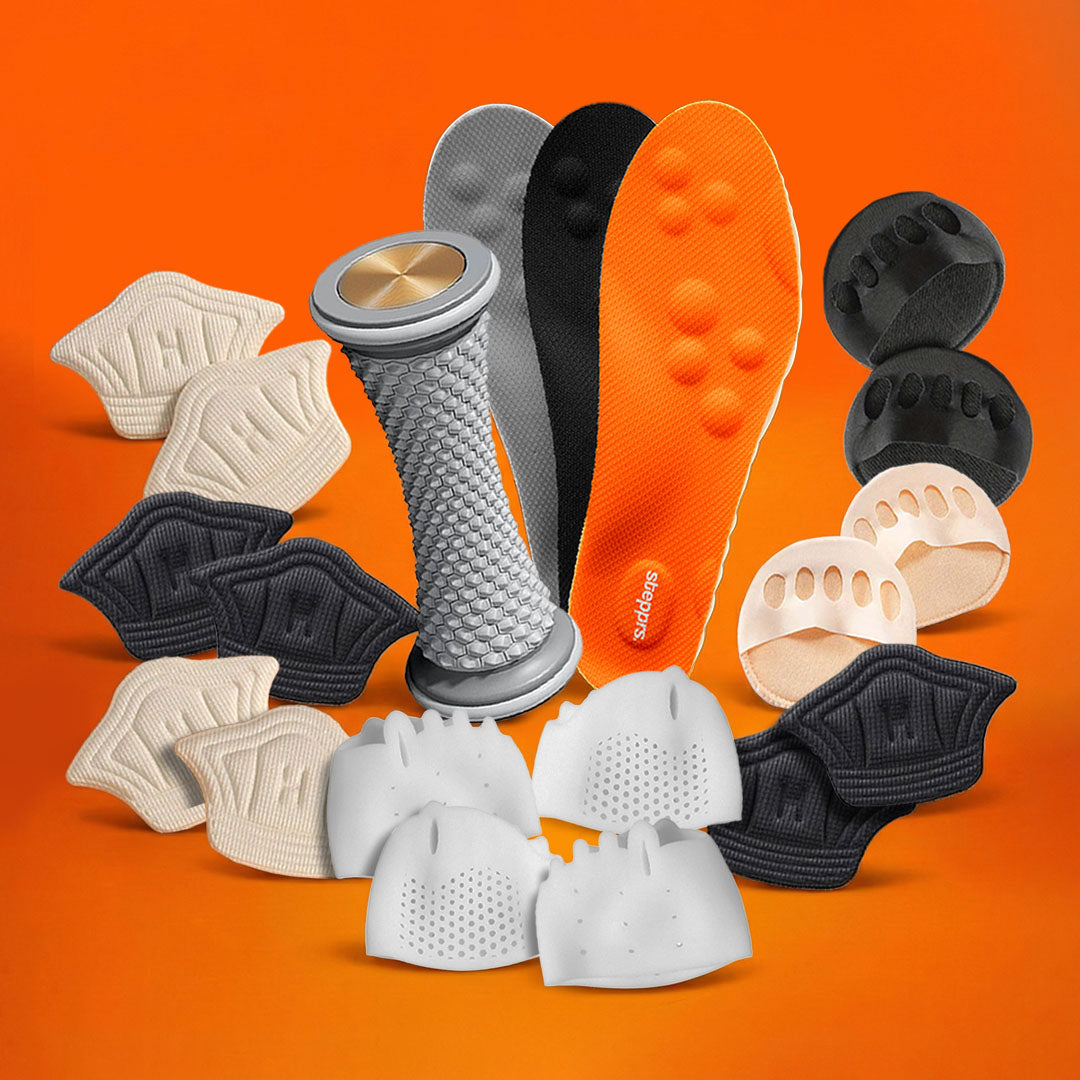
So, I decided to take the plunge. I signed up, set up my profile, and braced myself for the awkward phase of trying to remember to log everything and check in regularly.
First Impressions: Getting Started
Setting things up was refreshingly straightforward. If you’ve ever used a modern web app or fitness platform, you’ll feel right at home within five minutes. There’s no overly complicated wizard or fifty pages of terms and conditions to click through. You jump right in, figure out what your baseline looks like, and start participating.
What immediately stood out to me was the interface. A lot of health tech looks like it was designed by a committee of stern medical professionals in a sterile white room. This felt different. It was colorful, easy to navigate, and didn’t take itself too seriously. That vibe alone made me much more likely to open it up during my morning coffee routine.
If you are curious to see the current layout and how it works for new users, you can Visit Official Website Now to take a look around yourself.
How I Integrated It Into My Daily Routine
The real test of any fitness tool is whether you’re still using it three weeks later when the novelty wears off. For me, week one was all enthusiasm. I was pacing around my apartment while on work calls just to bump up my numbers. By week two, the real test began.
Here is what my typical day looked like once I got into a rhythm:
- Morning check-in: While brewing my coffee, I’d open up the platform to see where I stood and check out any community updates or goals for the day.
- The midday break: Instead of scrolling social media on my phone while eating lunch, I committed to a mandatory 15-minute walk around the block. Having a specific goal in mind made this feel purposeful rather than just wandering aimlessly.
- The evening wind-down: If I fell short of my target (which happened plenty of times), I’d do a quick podcast walk around the neighborhood after dinner.
It sounds basic, but having that subtle external structure changed my behavior. I stopped viewing steps as a chore I had to check off and started viewing them as a fun little daily puzzle.
What Real Users Are Saying
Of course, my experience is just one person’s story. Before writing this, I wanted to see if other people felt the same way or if I was just easily amused. I dug through various forums and user groups to see what everyday folks thought about using stepprs in their lives.
Here are a few quotes from other community members that caught my attention:
“I’ve tried every fitness app under the sun, and I usually delete them within a week because they make me feel guilty. This one actually makes movement fun again. The community aspect keeps me coming back.” — Sarah T., Chicago
“Working from home completely destroyed my activity levels. Using this platform gave me the little push I needed to get outside twice a day. My step average has nearly doubled.” — Marcus K., Austin
“It’s simple, it doesn’t bug you with a million notifications, and it works. That’s all I wanted. Highly recommend giving it a shot if you’re stuck in a sedentary rut.” — Jenna R., Denver
Reading those felt validating. It turns out a lot of us are dealing with the exact same work-from-home slump and looking for simple, low-stress ways to fix it.
The Pros and Cons From My Perspective
Nothing is perfect, and I always like to be completely transparent about what works and what might annoy certain people. Let’s break down the good and the bad.
The Good:
Low pressure approach: You don’t get shamed if you have a lazy Sunday. The tone is encouraging, not toxic.
Community energy: Seeing what others are doing makes you feel like you’re part of something rather than grinding away alone in your living room.
Ease of use: No steep learning curve. You can log in and figure it out in seconds.
Real results: My step count is genuinely higher, and my lower back pain has noticeably decreased just from moving more throughout the day.
The Not-So-Good:
Requires self-motivation: At the end of the day, no app can physically lift your legs for you. If you truly refuse to open it or walk, it won’t do much.
Internet connection needed: Since it’s web-based, you need a stable connection to get the full interactive experience.
Tips If You Decide to Try It
If you’re thinking about jumping in and trying out stepprs for yourself, here are a few practical tips I wish I knew on day one:
First, don’t try to go from 2,000 steps to 15,000 steps overnight. You’ll just wake up sore and annoyed. Start by adding 1,000 extra steps a week. Build the habit slowly so it sticks.
Second, lean into the community features. That’s where the real magic happens. Sharing your progress or seeing others hit milestones gives you that little dopamine hit that keeps you lacing up your sneakers when you’d rather stay on the couch.
Third, pair your routine with something enjoyable. I only listen to my favorite true crime podcasts when I’m out doing my afternoon walk. Suddenly, walking isn’t exercise—it’s me getting to find out who stole the diamonds.
Final Verdict
Look, at the end of the day, fitness tools are deeply personal. What works wonders for me might not resonate with someone else. But if you’re someone who struggles with desk fatigue, low daily step counts, or finding a fun way to stay active without joining an intense crossfit gym, this is definitely worth a look.
It helped me break out of my terrible work habits, get outside more often, and actually enjoy the process of moving my body. If you want to check it out and see what all the fuss is about, you can head over and Visit Official Website Now.
Thanks for reading along with my review! If you end up trying it out, let me know how it goes in the comments below. Let’s get those step counts up together!