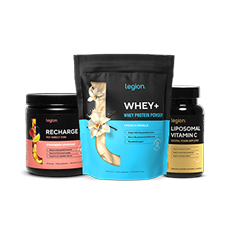

If you hang out in any fitness forums or follow lifting channels on YouTube, you’ve almost certainly seen Mike Matthews and his brand, Legion Athletics, pop up. For the longest time, I completely ignored them. Walking down the supplement aisle at my local shop—or browsing online—feels like wading through a sea of hyper-aggressive marketing, sketchy proprietary blends, and promises of packing on twenty pounds of lean muscle in a month while chugging glowing blue powder.
I am naturally cynical. When a brand boasts about being “backed by science” and puts out massive, heavily referenced articles on every single ingredient they use, my default reaction is to roll my eyes and assume it’s just clever copywriting designed to make me feel better about spending way too much money.
Yet, after hitting a stubborn plateau in my deadlift and getting tired of pre-workouts that gave me heart palpitations followed by a sluggish crash, I finally caved. A lifting buddy of mine swore by their stuff, specifically mentioning that the ingredient dosages actually matched what independent clinical studies recommended, rather than just using a dusting of this and a pinch of that for label appeal.
Six months later, my supplement shelf looks a little different. I’ve tested out their protein powders, pre-workout, creatine, and fat burner. If you are trying to decide whether putting your hard-earned cash toward Visit Official Website Now is actually worth it, pull up a chair. I’m going to break down my personal experience, the good, the bad, and what you can genuinely expect.
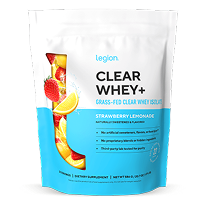
What Sets Legion Athletics Apart?
Before getting into the specific tubs and powders, we need to talk about what actually drew me in: transparency. I’m the kind of annoying consumer who reads nutrition labels and looks up clinical trials while standing in the grocery store aisle. Most supplement companies hide behind “proprietary blends.” That’s just corporate-speak for “we aren’t going to tell you how much of each ingredient is in here, especially the cheap ones.”
From day one, Legion Athletics plastered the exact dosage of every single active ingredient right on the front of the tub. No guessing games. If a study says you need 3 grams of beta-alanine to get the tingling sensation and performance bump, they put 3 grams in. If research says a certain extract is useless under 500 milligrams, they use 500 milligrams.
Another major selling point for me was their stance on artificial sweeteners and dyes. I used to drink neon-colored pre-workouts that tasted like melted plastic and left my stomach feeling like a washing machine on spin cycle. Legion relies heavily on natural flavorings and sweeteners like stevia or erythritol. Now, fair warning—if you are entirely used to chemical sweeteners, natural options can take a week or two to get used to. They taste a bit different, but your stomach will thank you later.
My Deep Dive Into Legion Athletics Supplements
I didn’t buy everything all at once. That would have cost a small fortune. Instead, I built my stack up slowly over half a year, adding one product at a time so I could track how my body reacted. Here is how my favorites shook out.
1. Whey+: Whey Isolate Protein Powder
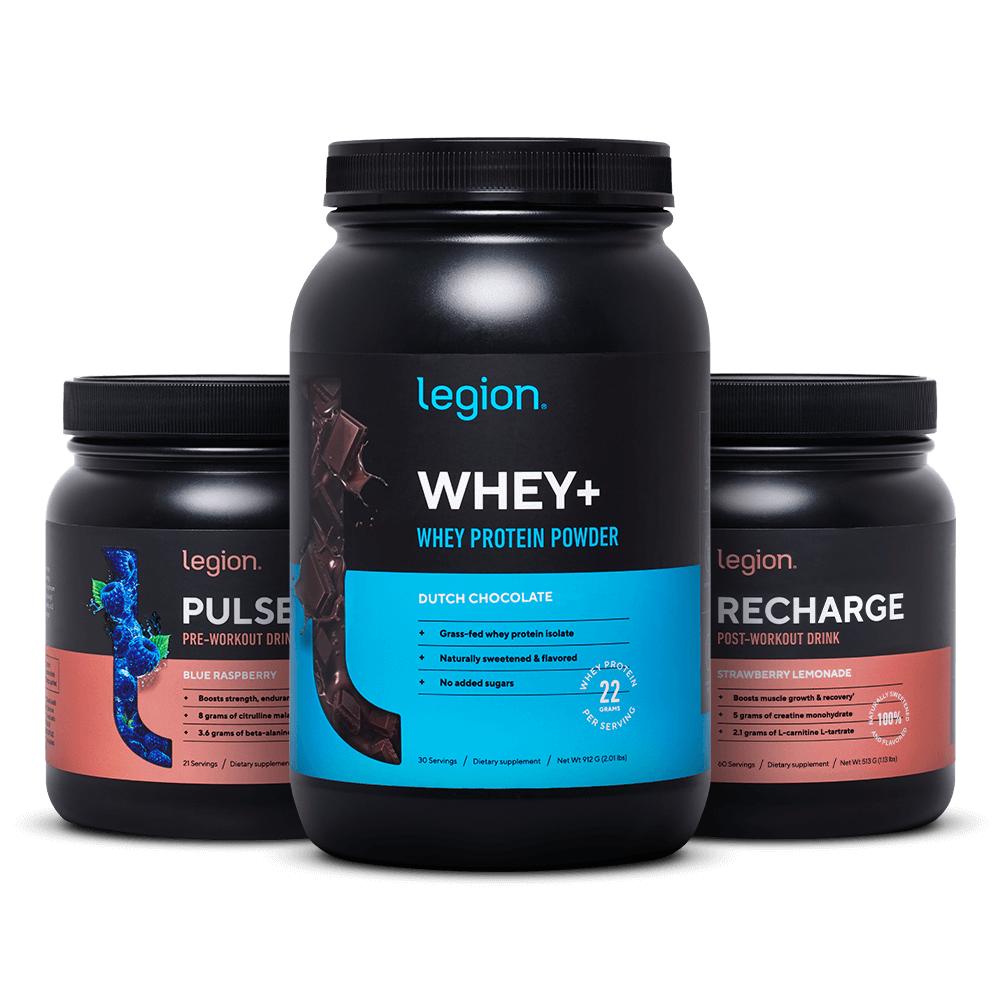
Protein powder is the staple of almost any gym-goer’s routine, and I’ve tried practically all of them. Cheap concentrate gives me terrible breakouts and makes me feel bloated. Hydrolyzed isolates are often stupidly expensive. I started with a tub of Whey+ in the Dutch Chocolate flavor.
The first thing I noticed when mixing it with water in a shaker bottle was the texture. It’s surprisingly smooth for a naturally sweetened protein. A lot of stevia-sweetened powders have a weird, lingering metallic aftertaste or get super foamy when shaken. Whey+ mixed cleanly with minimal foam.
Taste-wise, Dutch Chocolate hits the spot without being cloying. It tastes like a mild cocoa drink rather than a liquid candy bar. I also tried Cinnamon Cereal, which was phenomenal mixed into morning oats. Because it’s an isolate, it has virtually zero fat and lactose, meaning zero digestive distress for me.
Did it magically build muscle? No, protein powder is just food. But it hit my daily macros cleanly, kept me full, and didn’t wreck my skin. Out of all the things I tested, this is the one item I keep reordering automatically.
2. Pulse: Pre-Workout Drink
Pre-workout is where I am most skeptical. I hate stim-heavy powders that make my skin crawl, make my eyeballs feel like they’re vibrating, and leave me staring at the ceiling at midnight because I trained at 5 PM.
Pulse comes in both caffeinated and caffeine-free versions. I went with the caffeinated option (which packs 350mg of caffeine, along with solid doses of citrulline malate, beta-alanine, betaine, and ornithine). That is a robust dose of caffeine, so if you are sensitive to stimulants, you definitely want to start with a half scoop.
For me, the caffeine punch was smooth. Because it includes theanine alongside the caffeine, you don’t get that jagged, jittery spike. Instead, it’s a calm, focused tunnel vision. The pumps during chest and back day were legitimately noticeable, mostly thanks to the citrulline malate pulling water into the muscles. My favorite flavor was Blue Raspberry, though Fruit Punch was a close runner-up.
3. Recharge: Post-Workout Supplement
Recharge is basically a blend of micronized creatine monohydrate, L-carnitine L-tartrate, and corosolic acid. Creatine is the most heavily researched supplement on the planet, and it works. I’ve taken plain, cheap creatine monohydrate for years with great results.
Why did I try Recharge? Honestly, convenience and the added recovery ingredients. L-carnitine L-tartrate has been shown in studies to help reduce muscle damage and soreness after intense lifting sessions.
After about three weeks of taking this post-workout, I noticed that my usual delayed-onset muscle soreness (DOMS) after heavy leg days felt slightly muted. I wasn’t walking around like a robot for three days straight. Is it pricier than buying a generic tub of creatine powder from a warehouse club? Yes, absolutely. If you are on a tight budget, buy cheap creatine. But if you have some wiggle room and want a well-rounded recovery drink that tastes great mixed with water, Recharge is a solid addition.
4. Phoenix: Fat Burner
Let’s address the elephant in the room: fat burners have a terrible reputation in the fitness industry, and rightfully so. Most of them are glorified laxatives or dangerous stimulants that spike your blood pressure. Can a pill melt fat off your body while you sit on the couch eating pizza? Absolutely not, and anyone who tells you otherwise is trying to steal your wallet.
So why did I try Phoenix? I was at the tail end of a cutting phase, trying to drop those stubborn last four pounds of lower belly fat, and my metabolism felt like it had ground to an absolute halt. I was tired, hungry, and dragging through my workouts.
Phoenix uses natural thermogenics like synephrine, naringin, and green tea extract to slightly boost daily caloric expenditure and mobilize fat cells, alongside some caffeine for energy. I used the stimulant-free version because I was already getting plenty of caffeine from Pulse.
Did it work miracles? No. Did it help? Surprisingly, yes. It gave me a subtle, jitter-free energy boost and suppressed my appetite just enough to keep me from raiding the pantry at 9 PM. It won’t replace a calorie deficit, but if you are already dialed in with your diet and training, it can make the final weeks of a cut slightly less miserable.
What Real Customers Are Saying
My experience is just one data point. To give you a broader look at how Legion Athletics performs in the wild, I dug through hundreds of user reviews across various fitness communities to see what other people love and hate about the brand.
“I switched to Legion’s Whey+ about a year ago after struggling with stomach issues from cheaper isolates. The Cinnamon Cereal flavor is addictive. Yes, it costs more than what you find at big-box discount stores, but my digestion has never been better and I don’t feel gross after drinking it.” — Marcus T., verified buyer
“Pulse is my go-to pre-workout now. I love that they don’t hide behind proprietary blends. You know down to the milligram what you’re putting in your body. The only downside is the price tag—it’s definitely a premium product, but the clean energy without the crash makes it worth it for me.” — Sarah L., fitness enthusiast
“The customer service is phenomenal. I had a tub of protein arrive with a slightly damaged seal, and they shipped out a replacement the same day no questions asked. Their products actually taste like real food instead of chemical laboratories, which is a massive plus.” — Dave K., long-term customer
“If you’re used to heavily artificially sweetened supplements, the natural flavor of Legion stuff might taste a bit thin at first. Give it a week. Once your taste buds adjust, you’ll never want to go back to the neon chemical sludge brands.” — Elena R., personal trainer
The Pros and Cons After Six Months of Use
To keep things completely balanced, let’s look at the clear advantages and disadvantages of making Legion Athletics your go-to supplement brand.
The Good:
- Complete Label Transparency: No secret proprietary blends. Every single ingredient and dosage is explicitly stated.
- Clinically Effective Doses: Formulations are built around scientific research, meaning ingredients are dosed at levels that actually work in clinical trials.
- Natural Ingredients: Zero artificial dyes, chemical flavorings, or weird preservatives. Sweetened primarily with natural options like stevia.
- Great Taste and Mixability: Particularly for an all-natural brand, the flavor profiles (especially Whey+ and Pulse) are impressive and mix smoothly without clumping.
- Stomach Friendly: Because they skip the sketchy fillers and cheap protein concentrates, digestive issues are virtually non-existent.
The Bad:
- Higher Price Point: This is not a budget brand. You are paying extra for high-grade raw ingredients, rigorous testing, and natural flavorings.
- Taste Adaptation Required: If you love heavily sugared or intensely artificial flavors, natural sweeteners might taste a bit underwhelming during your first week.
- Limited Budget Options: You won’t find rock-bottom clearance items here because they refuse to cut corners on raw material quality.
Are There Any Red Flags or Downsides?
No review is complete without pointing out potential dealbreakers. For Legion Athletics, the main hurdle for most people is simply the price. If you are a college student living on a strict budget, dropping top-dollar on premium supplements might not make financial sense when you could buy cheaper alternatives that get the job done 80% as well.
Another thing to mention is that supplements are just the icing on the cake. Mike Matthews himself constantly preaches that sleep, training progression, and nutrition are 95% of the battle. If your diet is garbage and you sleep four hours a night, no pre-workout or protein powder from this company—or any other—is going to transform your physique.
Final Verdict: Is Legion Athletics Worth Your Money?
After six months of testing their products, reading their labels, and tracking my own physical progress and recovery, my perspective has completely shifted. I started out as a cynical skeptic who figured they were just another internet brand relying on slick marketing and good SEO.
I was wrong. Legion Athletics backs up their bold claims with real science, clean ingredients, and formulas that actually deliver tangible results in the gym. While they cost more than the generic bargain-bin powders at local retailers, the peace of mind knowing exactly what I’m putting into my body—alongside the absence of stomach cramps and chemical crashes—makes the investment worthwhile for me.
If you care about ingredient quality, want to avoid artificial garbage, and have the budget for premium supplements, they are well worth a try. Start with a tub of Whey+ or Pulse and see how your body responds.