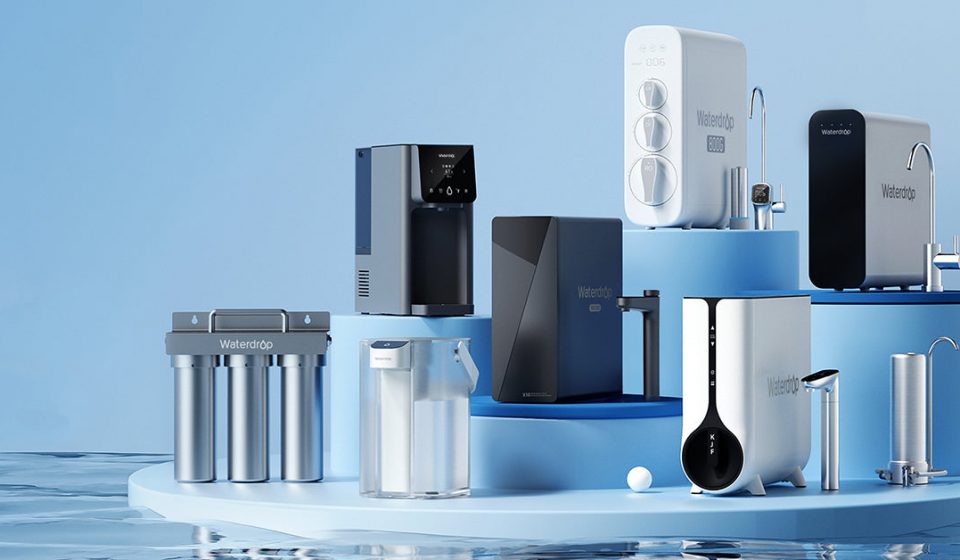

Hey everyone! If you’ve landed on this page, you’re probably just as tired as I was of buying endless cases of bottled water, dealing with weird-tasting tap water, or messing around with clunky pitchers that take forever to filter a single glass. I’ve been there. For years, I just dealt with the situation. But a few months ago, I finally decided to do something about it. After a ridiculous amount of research, I ended up pulling the trigger on a waterdrop filtration system for my kitchen.
I know how overwhelming it is to shop for water filters online. Every brand claims to be the best, and half the reviews out there sound like they were written by robots. That’s why I wanted to sit down and write a proper, down-to-earth breakdown of what it’s actually like to live with one of these units day in and day out. No fluff, no sponsored bias—just my genuine thoughts, a look at the pros and cons, and whether I think it’s worth your hard-earned cash.
If you want to check out their current lineup while you read along, you can take a look here: Visit Official Website Now. But let’s dive right into my personal story first.
Why I Finally Decided to Upgrade My Tap Water
To give you a bit of background, my tap water isn’t terrible, but it’s far from great. Depending on the season, it sometimes has a distinct metallic tang or a faint swimming pool smell from the municipal treatment plant. For a long time, we got by with a standard gravity pitcher that lived in the fridge. But there were two major problems: first, there were four of us in the house, and that little pitcher was constantly empty. Someone would fill it, walk away, and forget. Second, the filters seemed to clog up or slow down to a painful drip after just a couple of weeks.
I got fed up one Sunday afternoon when I went to pour a glass of water for my coffee and found the reservoir completely dry—again. I started looking for something more permanent, maybe an under-sink reverse osmosis system, but I was terrified of dealing with complicated plumbing or having to drill holes in my granite countertops. That led me down the rabbit hole of modern filtration technology, and that’s when I kept seeing the name waterdrop pop up everywhere in home improvement forums and review sites.
What caught my eye initially was the tankless design of their popular under-sink models. Traditional reverse osmosis systems take up half the space under your sink because of that giant storage tank, and they waste a ton of water. The units from this brand promised high flow rates, zero tank clutter, and smart filter-life indicators right on the faucet. It sounded almost too good to be true, so I dug deeper to see if real users actually liked them.
Unboxing and Installation: Was It Really That Easy?
Now, I am moderately handy, but I am definitely not a plumber. The thought of installing a water filtration system under my sink gave me mild anxiety. When the big box arrived, I laid all the parts out on the kitchen floor and just stared at them for a few minutes, hoping they would assemble themselves.
Spoiler alert: they didn’t. But once I actually sat down and read the manual, the process turned out to be way less intimidating than I expected. The kit came with pretty much everything I needed, including the dedicated faucet, tubing, power adapter, and the main filter unit itself.
The hardest part for me was clearing out the graveyard of old cleaning supplies and forgotten sponges that had accumulated under my sink over the years. Once that was done, connecting the lines was basically a matter of clicking push-to-connect fittings into place. Seriously, it felt a lot like plugging in cables to the back of a stereo receiver. No special crimping tools or pipe welding required.
I did have to drill a small hole in my sink deck because my setup didn’t have an existing soap dispenser slot to repurpose, but the step-by-step video guide I found online made it foolproof. Total installation time took me about an hour and fifteen minutes, and that included stopping to sweep up some cabinet dust and cursing gently when I dropped a wrench.
The moment of truth came when I plugged the unit into the electrical outlet under the sink, turned the water supply back on, and lifted the lever on the new dedicated faucet. Water sputtered out for a few seconds to clear the air, and then settled into a steady, surprisingly fast stream. No leaks, no weird noises—just clean, refreshing water ready to drink.
Living with the System: Taste, Performance, and Daily Routine
It’s been six months since that afternoon installation, and I can honestly say this upgrade changed our household routines. First and foremost: the taste. The water goes from having that subtle chemical edge to tasting completely neutral and crisp. My morning coffee tastes noticeably better, and my tea doesn’t have that weird film floating on top anymore.
One of my favorite things is the speed. With old-school filtration methods, you wait around. With this tankless setup, filling up a large cooking pot for pasta takes seconds instead of minutes. It completely streamlines meal prep. My kids actually drink more water now because the secondary faucet is easy to use, and they say the water tastes “cold and clean” even before putting ice in it.
Maintenance is another huge win. Instead of guessing when to change a gravity pitcher cartridge based on a calendar reminder I’ll inevitably ignore, the smart faucet has an LED indicator light right at the base. Blue means you’re good, purple means it’s getting close, and red means it’s time for a swap. When change day finally arrived last month, it took me literally ten seconds. You twist the old filter cartridge out, push the new one in until it clicks, and reset the indicator. No tools, no mess, no water spraying everywhere.
If you’re curious about checking out the exact model I’m using or want to see what options fit your kitchen layout, you can browse their catalog right here: Visit Official Website Now.
What Other Real Customers Are Saying
Of course, my single experience is only part of the picture. Before buying, I spent hours reading reviews from other everyday folks who had installed these systems in their own homes. Here is a snapshot of what other buyers are experiencing:
“I was skeptical about installing an under-sink system myself because I live in an older home with weird plumbing. But the setup was surprisingly straightforward. The water tastes incredible, and having the filter life indicator light right on the faucet takes all the guesswork out of maintenance. Worth every penny.” — Marcus T., Austin, TX
“Our family used to go through multiple cases of bottled water every week, which always bothered me because of the plastic waste. Switching to a waterdrop reverse osmosis system cut out the plastic habit completely. The water flow is fast, and it doesn’t take up all the space under our cabinet like old-school systems do.” — Sarah L., Denver, CO
“The space-saving tankless design is the real deal. My under-sink area is small, but this unit tucks neatly off to one side and leaves plenty of room for storage. Plus, the customer support team was super helpful when I had a quick question about water pressure during installation.” — Dave K., Portland, OR
Seeing reviews like these matched up pretty closely with my own journey. It’s rare that a home appliance lives up to the marketing hype, but in this case, the everyday convenience turned out to be even better than expected.
Breaking Down the Pros and Cons
To keep things balanced, no product is perfect. Every system has trade-offs, and it’s important to look at both sides before making a decision for your home. Here is my breakdown of the good and the bad after half a year of living with it.
The Pros:
- Exceptional Water Quality: The reduction in total dissolved solids (TDS) and contaminants is dramatic. The taste is remarkably pure.
- Tankless Space-Saving Design: Leaving the under-sink cabinet free of a bulky storage tank is a massive quality-of-life improvement.
- Fast Flow Rate: You don’t have to stand around waiting forever to fill a glass, water bottle, or cooking pot.
- Smart Indicator Faucet: Color-coded lights let you know exactly when filter replacements are due without any guesswork.
- Easy Maintenance: Changing the filters takes less than a minute and requires zero plumbing knowledge or tools.
- Eco-Friendly: Drastically reduces or eliminates single-use plastic water bottles in your household.
The Cons:
- Upfront Cost: These advanced filtration systems require a higher initial investment compared to basic pitchers or simple faucet-mounted filters.
- Requires Electricity: Because these units use internal booster pumps to maintain high flow and pressure without a tank, they need to be plugged into an outlet under your sink.
- Multiple Components: There are filters and replacement cartridges to budget for over the long term, though filter lifespan is generally quite generous.
- Installation Effort: While manageable for most DIYers, you will need to drill a hole in your countertop or sink if you don’t have a spare opening available.
Even with those minor drawbacks—like needing an electrical outlet under the sink—the benefits far outweigh the negatives for my household. If you have an outlet nearby and want clean, great-tasting water on demand, the trade-offs are barely noticeable.
How It Compares to Traditional Options
Before making the switch, I considered a few different routes, and you might be weighing the same choices. Let’s look at how this compares to other common water solutions.
First, there are standard gravity pitchers. They are cheap to buy initially, but the filters wear out super fast, the capacity is tiny, and keeping them clean can be a chore. Plus, they don’t filter out nearly as wide a range of contaminants as a multi-stage reverse osmosis system.
Second, there are refrigerator water filters. Those are convenient if your fridge has a built-in dispenser, but replacing them can get surprisingly expensive, and they only filter water going through that specific line—meaning your kitchen sink tap, coffee maker water reservoir, and cooking pots are left out.
Third, traditional under-sink RO systems. While they provide great water, they waste a lot of water down the drain during the filtration process, and that giant storage tank steals valuable space where you normally keep cleaning supplies, trash bags, or recycling bins. Modern tankless units solve the space and efficiency issues entirely, which is why they are quickly becoming the preferred choice for modern kitchens.
If you want to explore their different configurations and see which model matches your household size and water needs, check out the options here: Visit Official Website Now.
Final Thoughts: Is It Worth Your Money?
At the end of the day, upgrading your home’s water system is a personal decision. If you live in an area with pristine tap water and zero complaints, you might not need anything beyond a basic filter. But if your tap water tastes off, if you’re tired of constantly filling up pitchers, or if you want to stop buying plastic bottles of water every week, a proper under-sink filtration system is an incredible quality-of-life upgrade.
Looking back, I only regret waiting so long to make the change. The convenience of turning on a dedicated faucet and getting ice-cold, crystal-clear water instantly is something I appreciate every single day. Between the sleek design, the fast flow rate, and the foolproof filter replacements, the investment has paid off in pure peace of mind.
If you’re ready to ditch the bottled water routine and upgrade your kitchen setup, take a look at their official store to find the right fit for your home: Visit Official Website Now.
Drop a comment below if you have any questions about the installation process or daily use—I’m always happy to share more details about my setup and help out fellow homeowners looking for cleaner water!