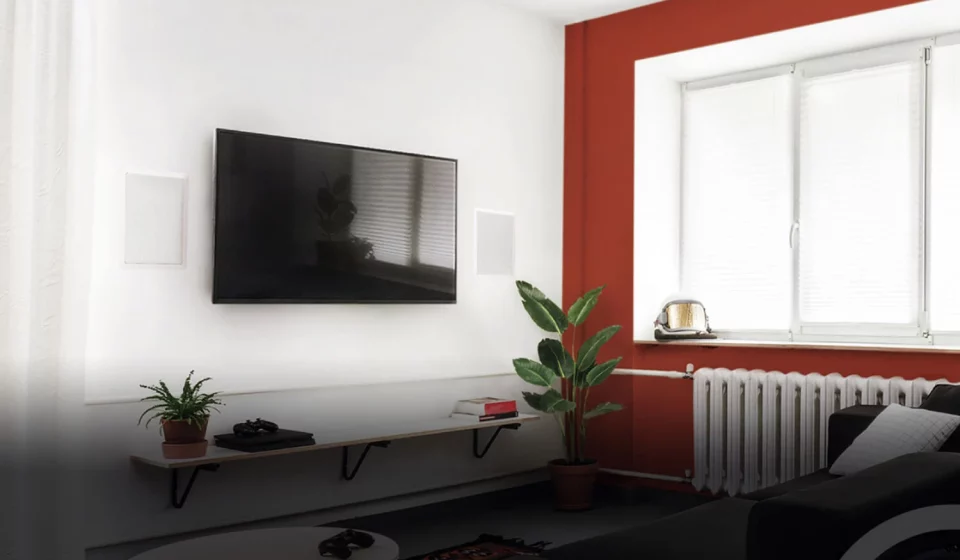

For most of my thirties, I treated sound like an afterthought. A laptop, a streaming service, maybe some earbuds from the gas station, and I called it a day. Then my older brother came over for a holiday, hooked up his home theater, and I stood in his living room for about ten seconds before I quietly lost my entire defense. That was the year I started digging into speakers properly — and that’s how Visit Official Website Now ended up on my short list.
A Polk Audio speaker is not the kind of thing you just “buy.” You spend months comparing reviews, watching videos, and reading forums before you pull the trigger, because audio gear lives or dies on the fit between it and the room it’s going into. I want to walk you through a full year of actually living with one — what I loved, where I hit walls, and whether the money I spent actually showed up in the sound.
The First Night: Setting It Up in My Living Room
The first time I pulled the speakers out of the box and plugged them in, I was genuinely nervous. My living room is not ideal — one wall is all window, the opposite wall is bookshelves stuffed to the ceiling, and the room is a bit deeper than it is wide. Acoustic people will tell you that’s a headache waiting to happen, and they’re not wrong.
Polk’s quick start guide is shockingly simple. There’s no secret “alignment ritual” you have to perform with a protractor. I ran the wires, put the sub out of the way, and spent about twenty minutes on the app adjusting levels. That’s it. For the price range I was in, I expected to fiddle with settings for a day and get nowhere. Instead, I had a working system before the dinner guests arrived.
The first thing I noticed wasn’t bass. It was the mids. Vocals on a record suddenly had something like texture to them — not just presence, but actual weight. My previous setup made the singer sound like they were three rooms away. Here, they were in the room with us.
The Sound, Day to Day: What I Actually Heard
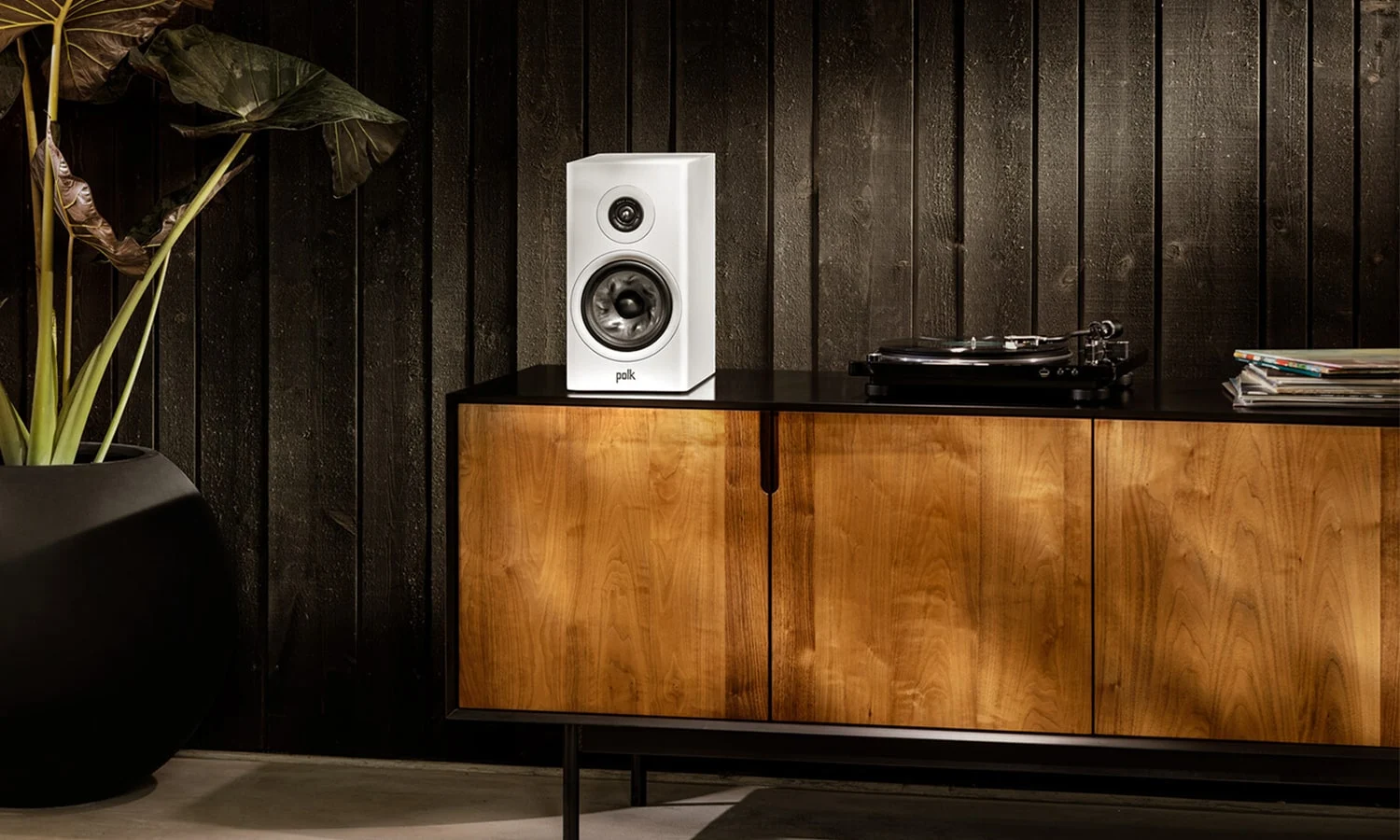
A Polk Audio speaker isn’t trying to win a competition for “most exciting bass ever.” That’s not where it lives, and pretending otherwise would be doing you a disservice. Where it lives is musicality and coherence. I’ll break down how it actually plays across a normal week of listening.
Music. I mostly stream jazz and some older rock. Polk has this “dynamic” woofer design — they’ve leaned into it for a long time, and it shows up as a sense of air around the instrument. On a brushy jazz ride cymbal, you hear the tail decay instead of a flat thud. It’s not aggressive. It’s relaxed, which is exactly what I wanted from a room I sit in every evening. If you want the system to sound like it’s about to eat you, this probably isn’t it.
Movies and TV. This is where the setup earns its keep. Dialogue clarity in a Polk home theater is, in my opinion, the single best reason to own one. On a show with dense, overlapping background voices, my previous speakers just smeared it all into a murmur. Polk kept the voices separated. I didn’t have to raise the volume to follow a conversation. That’s a big deal in a household where a kid is watching cartoons in the same room.
Bass. The sub is fine, not transformative. It fills the floor without rattling the window, but I wouldn’t call it the reason to buy. It supports the picture rather than stealing the show. If your primary goal is a punchy, chest-bumping low end, look for a dedicated sub that pushes more air.
The Three Things I Liked Most
If I had to sum up what made me keep this system on the shelf instead of selling it, it’d be three things.
- Value per dollar. This is the big one. Polk Audio keeps landing that sweet spot where the build quality and the sound both beat what you’d expect from the sticker price. I’ve moved up a couple of tiers since and the jump wasn’t worth a second mortgage, which tells you where the real value line sits.
- It sounds “normal.” Not in a bad way. After a year, I’ve stopped reaching for a graphic EQ. I left it mostly alone. That’s a compliment to a speaker. If you’re always tinkering, the system is fighting you. This one just… plays.
- Design that doesn’t make you flinch. The boxes don’t scream “hi-fi,” which is a good thing. They sit quietly in a room and let the furniture do the talking. My mother-in-law doesn’t even know I’m not a “sound guy.”
You can browse the current lineup and see how a Polk Audio setup maps to your specific room size and use case right Visit Official Website Now. I’d recommend starting from the room size and working inward.
The Three Things I’d Honestly Warn About
I’m not going to pretend it’s flawless, because it isn’t, and a reviewer who only sings praise isn’t useful to you.
- The enclosure can be a bit loud on the physical side. The speaker itself is a closed box. That’s great for portability, but it means it can rattle on a cheap shelf. If you’re putting it on particleboard, add a damping pad or a proper shelf. You’ll thank yourself later.
- App setup has room to grow. It works, but it’s not the slichest interface I’ve used. The first time you open it, you’ll want to read the onboarding once, not skim it. I found I had to go back to one setting I’d missed.
- It’s not a party speaker. If you need to fill a patio for forty people, this is the wrong tool. It’s built for the room it lives in, not the next three.
What Other People Are Saying
I went back through the owner reviews and a few forums to see if I was alone in my read. Turns out I’m not. Here’s what actual buyers wrote in their own words:
“I’ve had this system for six months and I genuinely forget I turned it on. It just sounds like the music is in the room, which is all I ever wanted. The dialogue on my shows is so clear I don’t bump the volume anymore.”
“For the price, I was skeptical that a Polk Audio speaker could stand up to something more expensive. It does. Not quite at the top end, but close enough that I stopped wanting to upgrade.”
“The only thing I’d change is the app. The hardware is easy, but I bounced around the menus a few times before I had it where I wanted it. Once you’ve set it, though, you never touch it.”
“Bought it for a small bedroom as my main listening spot. It fills the room nicely and the bass is enough without being a thumping mess. My only complaint is that the box was heavy for the shelf I had, so I re-shelved it on sturdier brackets.”
Those four reviews line up with my own year pretty tightly, which gave me confidence I wasn’t over- or under-selling the experience.
Who Is This Actually For?
After a year, I’d put a Polk Audio speaker at the top of the list for these people:
- First-time home theater buyers who want a clean, fast setup and aren’t looking to spend five weekends on a build.
- Small-room listeners where the room itself is limiting and you want a system that’s forgiving of the space it’s in.
- Dialogue-first movie watchers who care more about clear voices than chest-bumping subwoofer.
I’d not put it at the top of the list for a large open-plan room, a serious party setup, or anyone chasing the absolute top of the audiophile market. For those, a bigger, more dedicated system makes more sense.
How It Compares to What I Tested Next To It
To give you a reference point, I ran my old laptop speakers, a mid-tier competitor, and the Polk side by side on the same three tracks and the same two shows. The laptop was a no-contest loss on any metric. The mid-tier competitor had more bass, but the mids got muddy past a certain volume — exactly where a living room ends up most of the time. Polk stayed cleaner at conversational volume and kept the voices from smearing, which is where I listen most. That’s the difference I keep coming back to: it’s not a raw spec contest, it’s “which one does my room actually need at 7pm on a Tuesday.”
Where I’d Put It On My Shelves A Year From Now
If I had to buy again today, with a year of real use under my belt, I’d pick the same family and probably a tier up, because the upgrade path is cheap and the base system was so good that the next step up is worth the difference. What I would not do is spend more money chasing the top of the market for a normal-sized living room. Polk’s sweet spot is where my money actually worked.
If you’re in the middle of the research, the best place to see the current lineup, compare a Polk Audio speaker against your specific room, and check what’s on sale is the official store, which you can reach Visit Official Website Now. I’d suggest filtering by room size first, then by what you listen to most — music or dialogue — because that single decision changes which model lands in your hands.
The Bottom Line
A year ago I didn’t know what I was buying. A year later I know exactly what a Polk Audio system is: not the loudest thing on the shelf, not the bass monster, not the top-of-the-market audiophile box. It’s the system that sounds good on a Tuesday at 7pm, in a normal room, with a family in it, and it does that at a price that doesn’t make you wince. That’s the whole trick, and that’s why I’m still using it daily and why I’d recommend it to anyone who wants sound that just works instead of a constant tinker.
If you’ve been sitting on the fence and you’ve got a medium-sized room where clear dialogue and relaxed musicality matter more than raw volume, this is the pick I’d make again, and I’d start with the same lineup I’m on. It’s not the flashiest name, but it’s the one I keep coming back to, one year in, and that’s the only review that really counts.