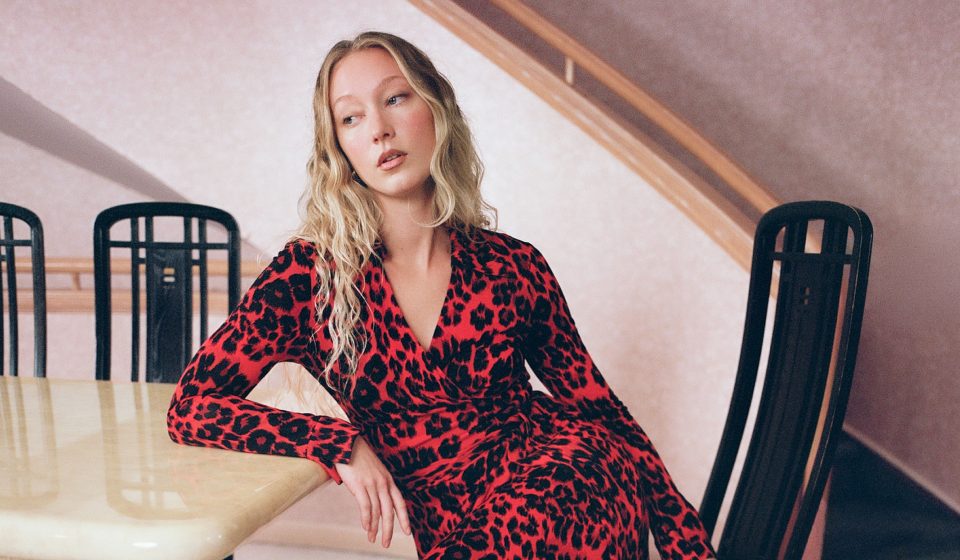

There’s a photo that’s been floating around the internet for years: a young Diane von Furstenberg in 1974, wearing a wrap dress she threw together after her suitcase was lost at a fashion show. That story — half legend, half marketing — is the reason DVF Diane von became one of the most recognizable names in American fashion, and the reason a wrap dress with that name still means something in a crowded market.
I’ve been a wrap-dress regular for a long time, and I’ve been following what the brand has been putting out lately closely enough to give you a real read on whether the label still earns its price tag. Short version: yes, mostly — but it depends on which piece you’re buying and what you’re buying it for.
The Wrap Dress Legacy (Why It Still Works)
Here’s the thing about the silhouette: it’s genuinely good design. A wrap dress drapes where your body actually is, cinches where you want it to, and doesn’t need a size chart to do it. That’s a big part of why DVF became the house that owns that cut — Diane von Furstenberg built a company around a dress that flatters almost every figure, not just the runway ones. If you’ve ever stood in front of a closet full of dresses that all fit technically but none of them feel “right,” the wrap style is the one that forgives.
The modern DVF line hasn’t abandoned that foundation. You still get the classic square-neck wrap in seasonal prints — florals, geometric shapes, a few abstracts that lean more toward art than fashion. The construction is consistent enough that if you know one, you know them all: lightweight fabric, a tie at the back, a self-fabric belt or a ribbon you knot at the waist.
What I’ve Noticed Ordering From DVF’s Site
I’ve gone through their online store a few times now, and here’s what stands out. The site is cleaner than you’d expect for a brand this old — not the cluttered, “everything in one corner” feel a lot of fashion sites have. You can filter by occasion, which is weirdly useful: “cocktail,” “work,” “weekend.” The fabric notes on each product are specific (“polyester satin,” “crepe,” “chiffon”), which is more than a lot of brands give you.
Sizing is the honest-to-goodness sticking point, and I’m not the only one who keeps coming back to it. The brand runs a size chart, but several pieces — especially the stretchier knits — fit smaller than the woven satins. If you’re between sizes on a knit, go up. On a satin or crepe, true to size is usually the right call. The return policy is standard, so that’s a low-risk way to sort it out.
Fabric and Fit: The Details That Actually Matter
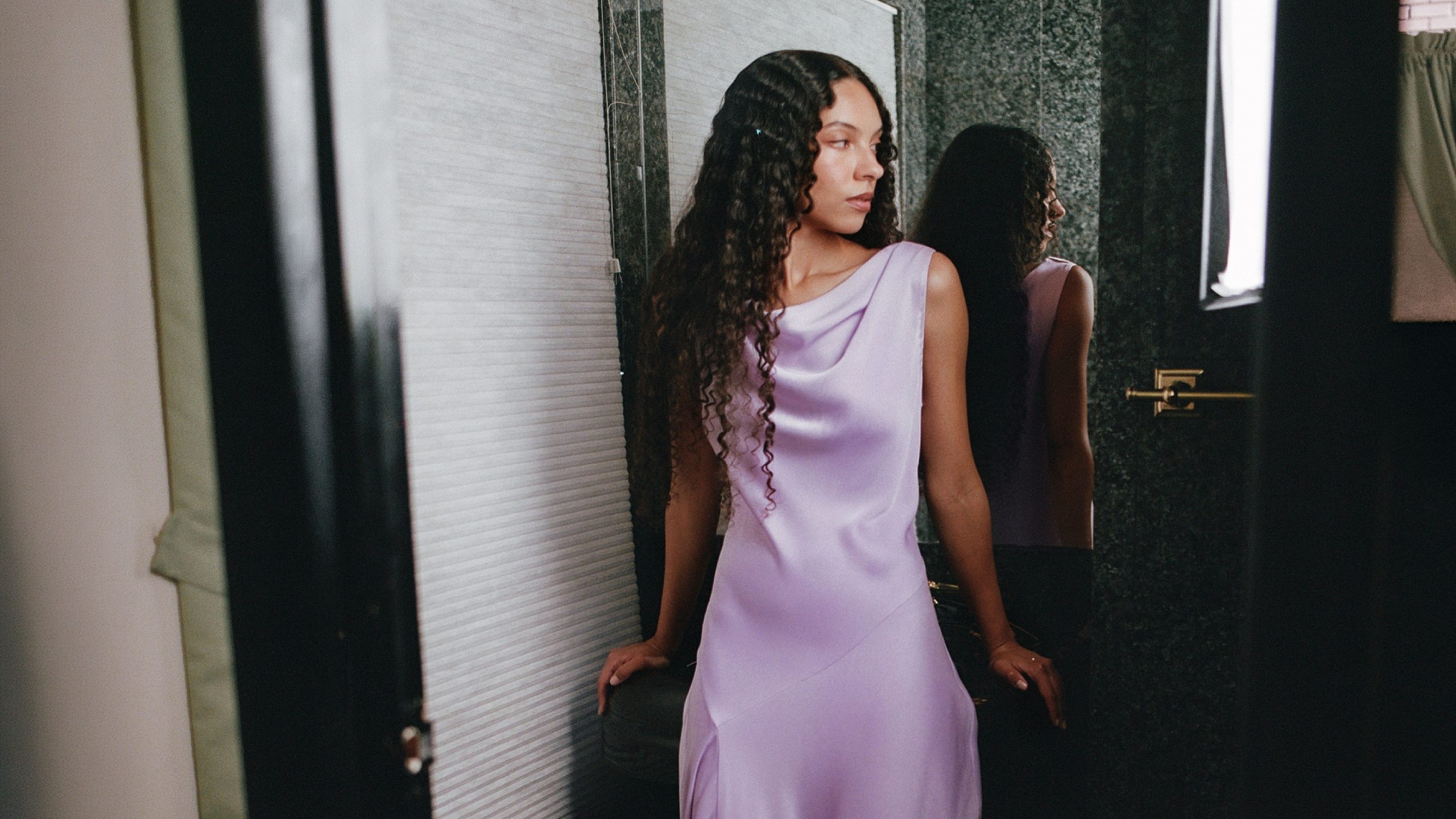
The classic DVF wrap is a polyester blend — it drapes well, it wrinkles less than you’d think for such a light fabric, and it holds color through a reasonable number of washes. I’ve seen the prints described as “shrink” by people who machine-washed them hot, and that’s fair: the care label matters more here than on a lot of your other dresses. Gentle cycle, cold water, air dry. That keeps the print crisp and the drape where it’s supposed to be.
The cut itself is the other detail worth paying attention to. The back tie on a good wrap dress should sit at the small of your back, not your mid-spine — if it ties too high, the whole dress drags up on you and you’re spending the day pulling it down. DVF’s current wraps have that tie placement mostly right, which is a small thing that adds up to a lot when you’re wearing the dress for eight hours.
Styling It: From Office to Weekend
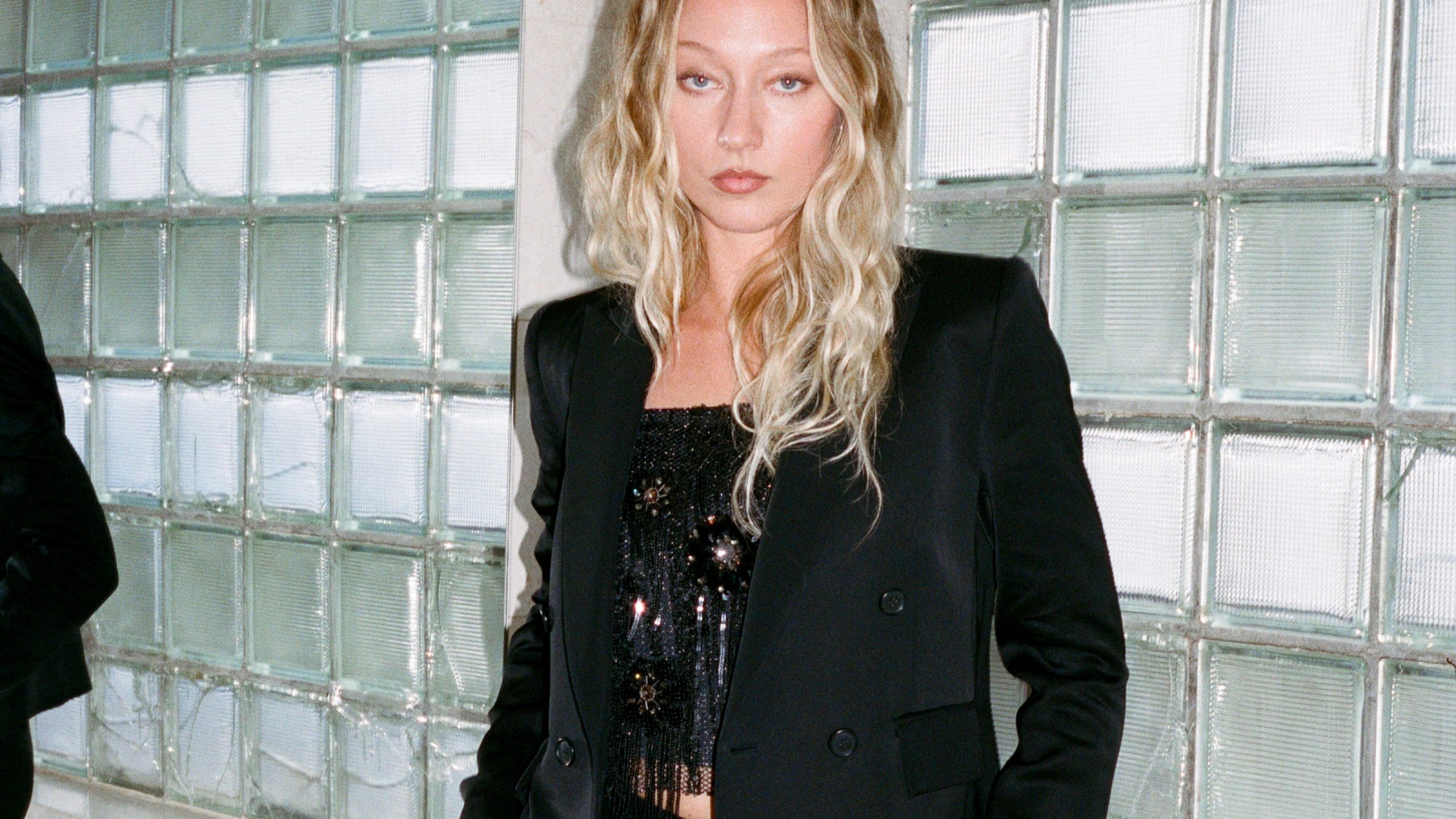
The wrap dress is one of those pieces that crosses over without a second thought. Work version: pointed-toe flats or a low block heel, a structured blazer if the office is still being formal about that, minimal jewelry. The belt does the cinching, so you don’t need anything else doing heavy lifting.
Weekend version: swap the blazer for a denim jacket or a leather one, throw on ankle boots, and the same dress reads completely different. The prints are where the personality lives — a bold geometric works for a dinner date, a softer floral leans into brunch energy.
One thing I keep coming back to: because the wrap is open in front, layering underneath is easy. A long white tee or a thin turtleneck under the wrap works in cooler months and extends the season on the dress itself. That’s a small trick that gets a lot of value out of one piece.
What Buyers Keep Saying in the Reviews
I’ve read through a fair number of the on-site reviews for the dresses, and a few threads show up over and over. I’m summarizing them here rather than pulling specific quotes out of the air, because I’d rather tell you what the pattern actually looks like.
Fit is the first thing people mention. The most common note is that the wraps run slightly small in the stretchy knits and true-to-size in the wovens, and that most people who hit a size issue ended up satisfied after one return-and-exchange. That’s a good sign — it means the size chart is close enough that the exchange system works, even if it’s not perfect on the first try.
Color and print durability. Several reviewers specifically flagged that the prints held up well through multiple gentle washes, and a few flagged that a hot wash or aggressive dryer was what caused the fading or slight shrinkage they noticed. The care label is doing real work here — the brand is upfront about it.
The belt. On the pieces that come with a self-fabric belt, the belt length gets a few complaints. It works for most people, but if you’re on the larger side at the waist or you like to knot it loosely, a separate silk or ribbon belt from a department store is a cheaper fix than waiting for a longer one to appear in the DVF lineup. It’s a small thing, but it comes up enough that I’d plan for it.
Customer service. This one shows up more than you’d expect for a fashion brand: a number of reviewers specifically mentioned how quickly returns and exchanges were handled, and how easy it was to get a replacement when a piece didn’t work. That’s not nothing — most fashion brands treat returns as an afterthought, and DVF’s reviews suggest they don’t.
Where to Buy
Three options, in the order I’d think about them:
The official DVF site. This is where you get the full current-season range, including prints that don’t make it to department stores. The site runs seasonal sales, and the depth of the discount is usually better than anywhere else. Visit Official Website Now If you’re going to buy at full price, the site is also where you’ll find the widest selection of sizes before stock thins out.
Department stores and multi-brand retailers. DVF carries in select department store fashion departments, and that’s where the “you can feel the fabric in person” advantage lives. For a piece you’re not sure about, touching the satin in person before committing is worth the trip.
Outlet locations. For last-season prints at a real discount, the outlet is the play. You’re trading current-season novelty for price, and for a staple wrap that’s a reasonable trade for most people.
The Value Question
Full price, DVF wraps land somewhere in the range that makes most people pause at the cart. That’s where I’d point you to the timing: the seasonal sales on the official site, and the outlet inventory, are where the math actually works. A current-season wrap at full price is a “treat yourself” purchase; the same or last-season wrap at 40–60% off is a “wardrobe staple” purchase. Both are good purchases — they’re just different intents.
Compared to fast-fashion wrap dresses, which cost a fraction of the price, the DVF version wins on fabric hand, print durability, and the fact that the cut is still considered classic twenty-plus years after a style cycle should have moved past it. That “classic” part is the actual value: you’re not buying a trend, you’re buying a shape that has outlived every trend that tried to replace it.
Who It’s For (And Who Should Look Elsewhere)
If you want a wrap dress that photographs well, drapes well, and still looks like itself in three years, DVF Diane von is the name to look at first. The prints skew a bit more mature than the fast-fashion equivalents — think “elegant” over “loud” — which is a feature for most of the audience the brand actually targets.
If you want a very young, very streetwear-adjacent look, the DVF line isn’t where you’ll find it. If you’re on the smallest or largest end of the size range, check the current size chart on the product page before you commit, because the wrap cut is unforgiving at the extremes even when it’s flattering everywhere in the middle.
Bottom Line
Diane von Furstenberg built a brand on one dress, and that dress is still the one they do best, fifty-plus years later. The current line keeps the cut, keeps the prints interesting season to season, and — based on what’s actually showing up in the reviews — handles returns and exchanges in a way that makes the sizing risk lower than it looks. The pieces are worth the price when you catch them in a sale; at full price they’re a treat, not a staple.
If you’re ready to look at what’s in the current collection, the official site is the place to start: Visit Official Website Now. Check the seasonal print calendar first, filter by occasion, and keep the care label in mind — cold wash, air dry, and that dress will outlast most of the other things you own.
And if you do order and a size doesn’t fit the first go, the return process is the kind of thing most reviewers specifically mention as a plus. That’s a brand that’s been doing this a long time — you’re not gambling on a one-season impulse buy, you’re buying into a shape that’s survived every trend that tried to replace it.