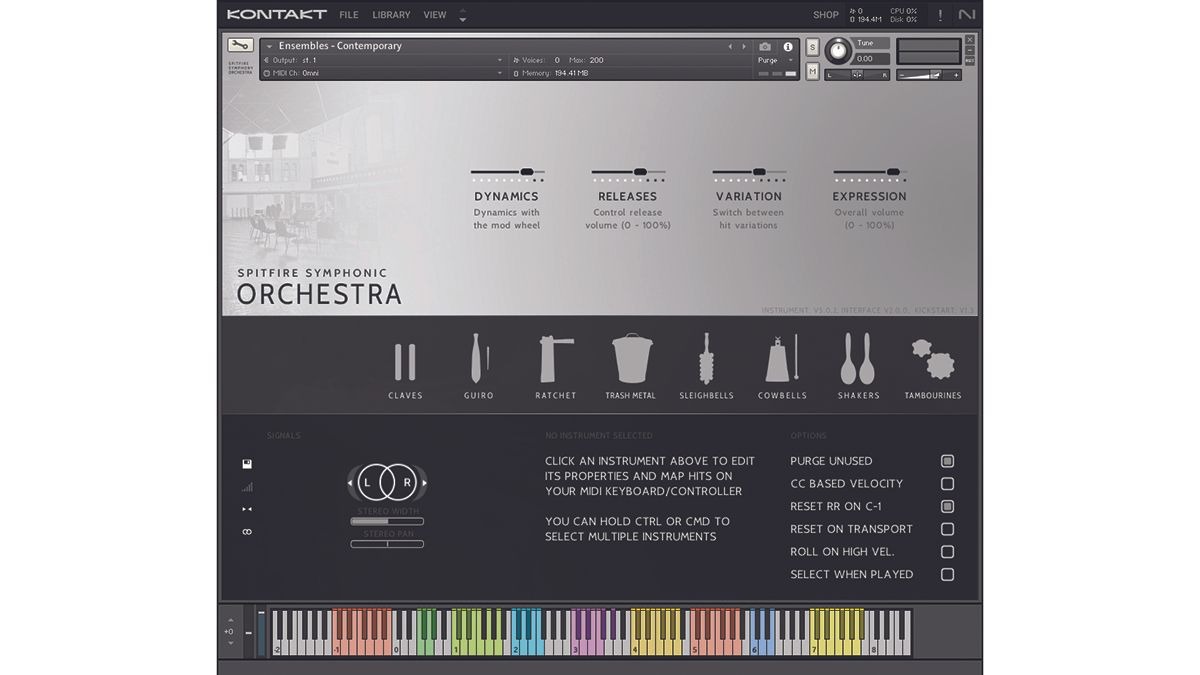

Right then, grab a proper brew and settle in, because today I want to chat about something that’s become utterly indispensable in my little corner of the music-making universe: Spitfire Audio. If you’re anything like me, passionate about crafting immersive soundscapes for film, games, or even just your own ambitious personal projects, then chances are you’ve already seen their iconic logo or heard their name whispered in hushed, reverent tones. But if you haven’t, or if you’ve been hovering on the edge, wondering if they live up to the hype, consider this your guided tour from someone who lives and breathes their exquisite instruments pretty much every single day.
I remember a few years back, feeling utterly stuck in a rut with my orchestral mock-ups. Everything sounded… well, a bit ‘MIDI’. You know the drill – decent samples, perhaps, but lacking that organic warmth, that nuanced expression, that sheer *life* that separates a good demo from something truly inspiring. I’d spend frustrating hours tweaking velocities, adding automation lines that stretched across the screen like spaghetti, desperately trying to breathe genuine emotion into something that felt inherently synthetic. It was a creative wall I hit time and time again, and it often stifled the very spark of an idea.
Then, a mate, who’s an absolute wizard with sound design and always seems to be one step ahead with the latest tools, pointed me towards Spitfire Audio. I’d seen their name pop up in various industry forums, heard whispers of their legendary quality and the incredible British musicians they work with, but always, always assumed it was for the ‘big boys’ – the Hollywood composers with bottomless budgets and bespoke studios. Boy, was I wrong. While some of their flagship libraries are indeed significant investments, the sheer breadth of their catalogue, and crucially, the consistent, almost unfathomable quality on offer across every single tier, truly blew me away once I started digging deeper.
So, What Exactly is Spitfire Audio?
At its heart, Spitfire Audio is a distinctly British company dedicated to creating incredibly detailed, exquisitely recorded virtual instruments. Think of them as bringing world-class musicians, incredible recording spaces (like the hallowed AIR Studios in London or the BBC’s own Maida Vale), and cutting-edge sampling techniques right into your Digital Audio Workstation (DAW). They cover an astounding range, from vast symphonic orchestras that can shake the foundations of your studio, to quirky, experimental synthesizers that spark entirely new ideas, intimate chamber ensembles, punchy drum kits, and everything imaginable in between.
What truly sets them apart, in my humble opinion, is their almost obsessive dedication to realism, playability, and, dare I say, soul. It’s not just about capturing a single sound; it’s about capturing the *essence* of an instrument, the nuances of a live performance, the very breath of a musician. When you play a