

I still remember my first real encounter with high-end audio. My uncle had an old silver-face receiver from the late 1970s. It had heavy, weighted knobs, glowing blue analog meters, and a warm, thick sound that made even scratched-up classic rock records sound like a live concert right in his wood-paneled living room. That receiver was a Marantz. Over the years, as I built my own home entertainment setups, I owned a variety of gear—budget receivers, sleek soundbars, and mid-range amplifiers from various brands. They did the job, but I always felt like something was missing. I missed that effortless, rich sound that made you want to just sit down and listen to an album from start to finish.
A few months ago, my previous home theater receiver started showing its age. The HDMI ports were acting up, the Bluetooth connection kept dropping, and the audio profile felt thin and fatiguing, especially at high volumes. I realized it was time for a change. I did not want another generic black box that just routed video signals; I wanted a component that prioritized music as much as it did movie soundtracks. After weeks of reading forums, watching video reviews, and looking at different options, I decided to go back to the brand that started it all for me. I wanted to see if the modern gear could live up to my childhood memories. To start my journey, I went straight to their main page to look over the new lineup: Visit Official Website Now.
Choosing the Right Model: The Cinema 50
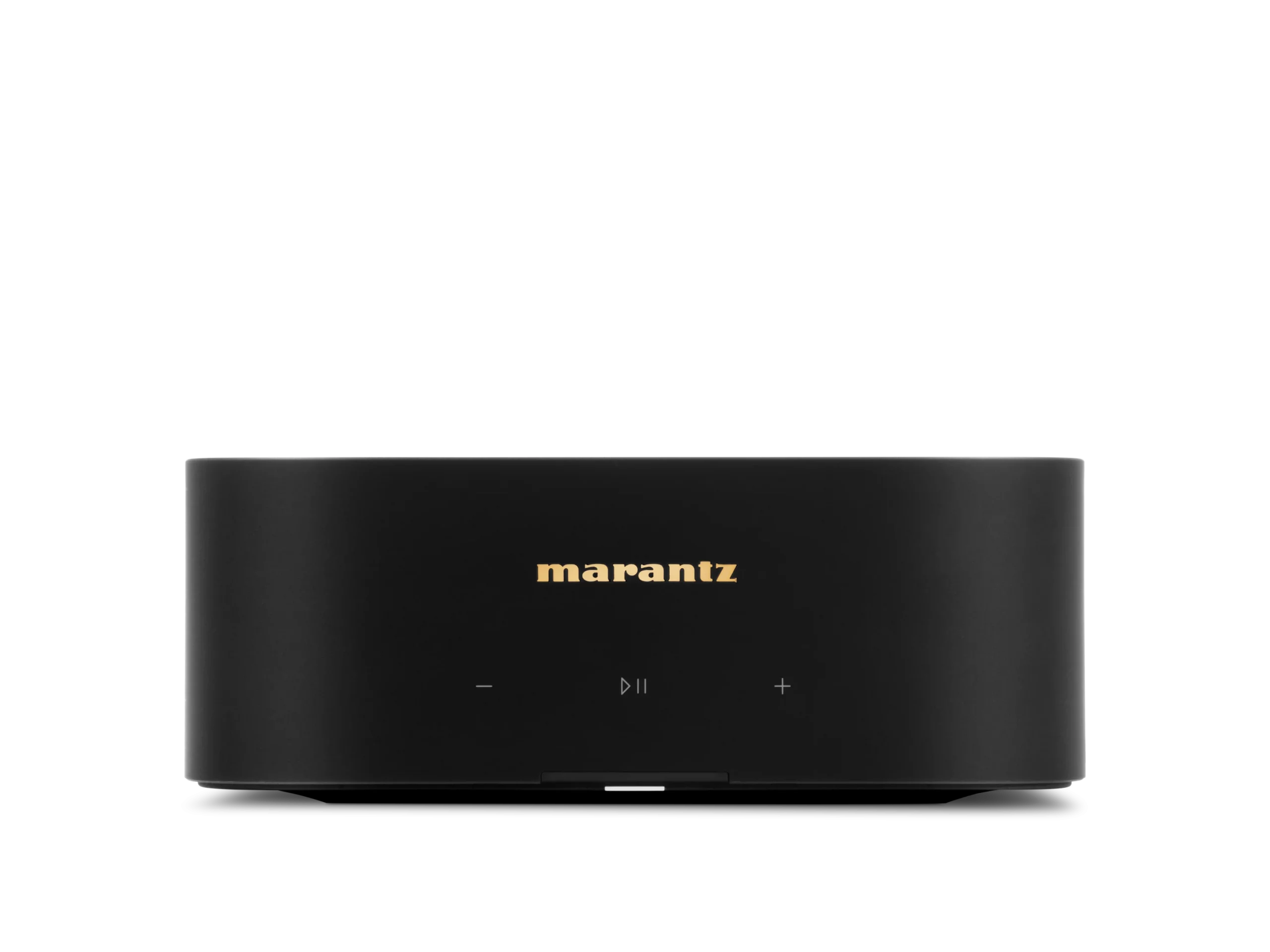
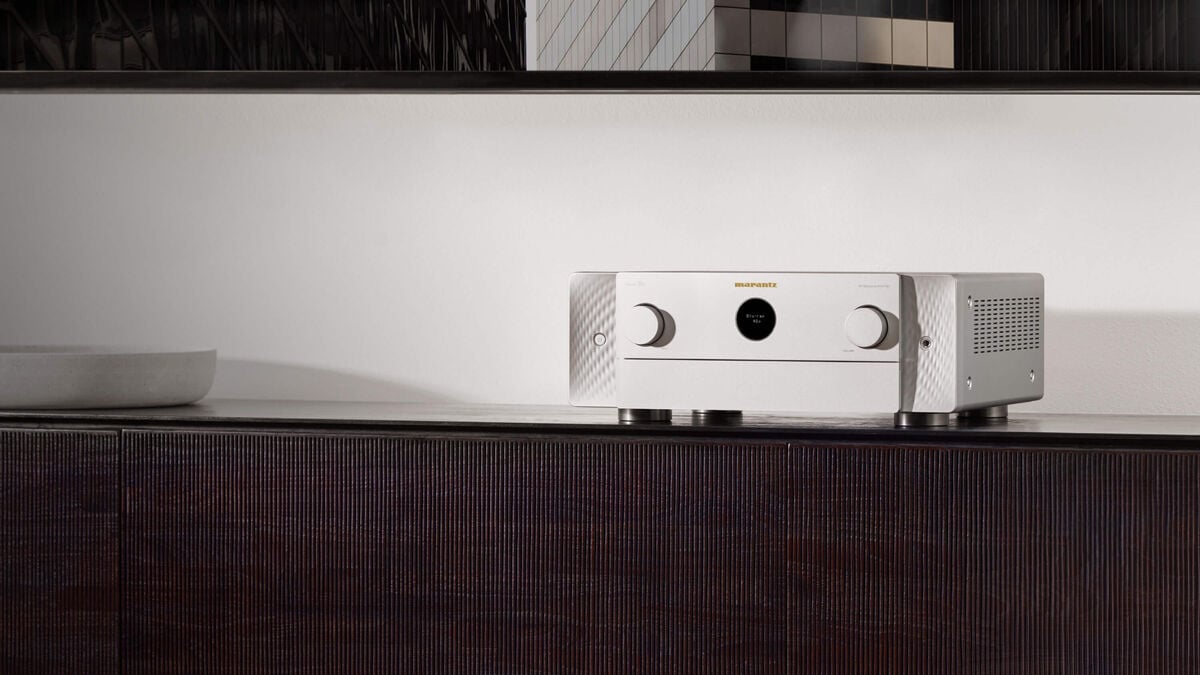
The current lineup has undergone a massive design overhaul. Gone are the dated, curved plastic faceplates of the previous decade. The new units feature a striking, modern industrial look with a textured front panel, clean lines, and the classic circular “porthole” display in the center. I ended up choosing the Cinema 50. It is a 9.2-channel AV receiver that pumps out 110 watts per channel. It supports Dolby Atmos, DTS:X, 8K video, and has built-in streaming capabilities through the HEOS platform. For my living room, which pulls double duty for movie nights and vinyl listening sessions, it seemed like the perfect balance of modern tech and traditional high-fidelity audio.
Unboxing the receiver was an experience in itself. It is a heavy piece of gear, weighing in at nearly 30 pounds. The side panels have a dimpled pattern that catches the light in a really subtle, elegant way. The volume and input selector knobs on the front panel have a smooth, heavy resistance when you turn them. There is a solid aluminum trap door that flips down to reveal additional controls and the headphone jack, keeping the front looking clean when you are not using them. It looks and feels like a luxury product, which is reassuring when you are spending this kind of money on home entertainment.
Setting It Up: The Good and the Quirky
Wiring up a modern receiver can be a nightmare, but the setup process here was surprisingly smooth. Once you connect the receiver to your TV via the HDMI eARC port and power it on, an on-screen assistant guides you through every single step. It shows you color-coded diagrams of where to plug in your speaker wires, how to hook up your source devices, and how to connect to your home Wi-Fi network.
One of the main reasons I chose this model was the inclusion of Audyssey MultEQ XT32 room calibration. My living room has hardwood floors, large windows, and an open layout to the kitchen—basically, it is an acoustic nightmare. Sounds bounce everywhere, which usually makes bass sound muddy and dialogue hard to hear. The receiver comes with a calibration microphone and a clever cardboard stand that you assemble to hold the mic at ear height. You plug the mic into the front panel, and the receiver plays a series of loud chirps and sweeps through each speaker. You move the microphone to eight different positions around your seating area so the system can build a three-dimensional map of your room’s acoustics.
The entire calibration process took about twenty minutes. Once it was done, the difference was immediately noticeable. The boomy, rattling bass was gone, replaced by tight, clean low-end punch. The center channel dialogue, which I used to struggle to hear without turning up the volume, suddenly stood out clearly from the background sound effects. If you want to check out the full technical specs of how their room calibration works, you can read more here: Visit Official Website Now.
However, it is not all perfect. Let’s talk about that iconic porthole display on the front. While it looks beautiful and clean, it is incredibly small. From my couch, which is about nine feet away, I cannot read a single thing on it. If I adjust the volume or change inputs, I have to rely on the on-screen display on my TV. It is a classic example of form over function. If you like to keep your TV off while listening to music and want to know exactly what track or input is active from across the room, you might find this design choice frustrating.
How It Sounds: Music and Movies
Once everything was calibrated, I wanted to put the unit through its paces. I started with music, hooking up my turntable to the dedicated phono input. I put on a copy of Fleetwood Mac’s Rumours. Right away, that classic sound signature was there. It is hard to describe audio in words without sounding pretentious, but the best way to put it is “warm and musical.” The acoustic guitars had a wood-and-string resonance that felt incredibly real. The vocals sat front and center, sounding intimate rather than clinical. Some modern Class D amplifiers can sound cold and sterile, revealing every detail but stripping away the soul of the music. This receiver retains the detail but presents it in a smooth, effortless way that makes you want to keep listening for hours without any ear fatigue.
Next, I tested some digital streaming. Using the built-in HEOS system, I streamed some high-resolution jazz tracks from Tidal. The digital-to-analog converter (DAC) inside this machine is outstanding. The spatial imaging was excellent; I could close my eyes and point to where the drums, double bass, and saxophone were positioned on the virtual stage. However, the HEOS app itself is a bit of a weak link. While it works reliably, the user interface feels a bit dated and clunky compared to modern streaming apps. I found myself using AirPlay 2 or Spotify Connect directly from my phone most of the time, which bypassed the HEOS app interface entirely and worked flawlessly.
For movies, I put on the 4K Blu-ray of Dune: Part One. The sound design of that film is massive, with deep bass sweeps, whispering voices, and soaring orchestral scores. The receiver handled the dynamic shifts with ease. When the massive spice harvester descends in the desert, my subwoofer and front speakers delivered a physical, room-shaking rumble that felt incredibly controlled. When the characters whispered using “The Voice,” the spatial effects made it sound like the sound was coming from inside my own head. The power delivery is robust; even during complex action scenes with all nine channels driven, the receiver never sounded strained or harsh.
Real Owner Feedback
Before making such a large purchase, I always like to see what other long-term owners think. It helps to see if my experiences align with the broader community. Here are a few pieces of feedback I gathered from other users who have integrated these units into their homes:
“The sound quality is outstanding. I replaced a mid-range receiver from another popular brand, and the difference in stereo music playback is night and day. The audio has a depth and warmth that makes my bookshelf speakers sound twice their size.”
— Arthur M., Ohio
“It looks beautiful on the media console, far better than the old black boxes of the past. My only minor complaint is that the HEOS app can be finicky to set up initially, but once it’s configured, streaming high-res files works fine.”
— Brenda T., California
“Audyssey room correction did wonders for my basement setup. The bass is no longer boomy, and movie dialogue is incredibly sharp. It runs a bit warm, so make sure you give it plenty of breathing room in your cabinet.”
— Marcus S., Colorado
“I love the phono stage on this receiver. Usually, the turntable inputs on AV receivers are an afterthought, but this one sounds clean, quiet, and very dynamic. I didn’t need to use my external preamp at all.”
— Jessica H., Texas
To read more user reviews and see customer questions, you can check out the community discussions on the main site: Visit Official Website Now.
Gaming Performance
As someone who enjoys gaming on the weekends, I was also curious about how the receiver handled modern consoles. The Cinema 50 supports HDMI 2.1 on all of its inputs, which means it can handle 4K gaming at 120Hz, Variable Refresh Rate (VRR), and Auto Low Latency Mode (ALLM). I hooked up my PlayStation 5 directly to the receiver, then ran the monitor out to my LG OLED TV.
I played through several hours of Spider-Man 2 and Gran Turismo 7. The video pass-through worked perfectly with no added input lag or screen tearing. The 3D audio implementation was spectacular. Hearing cars sneak up on my rear left side in a race, or the swoosh of wind as I swung between buildings, added a whole new layer of immersion to the gaming experience. The HDMI switching is also relatively fast; my old receiver used to blank out for five to ten seconds when switching inputs, but this unit handles the handshake in about two seconds.
Thermal Management and Build Details
One thing worth noting is that this receiver runs quite warm. It uses traditional Class AB amplification, which is known for its excellent sound quality but is less energy-efficient than modern Class D designs. This means it generates a fair amount of heat. If you plan to put this unit inside a closed entertainment center cabinet, I highly recommend installing an active cooling fan or leaving the cabinet doors open during use. It needs at least three to four inches of breathing space on top and the sides to prevent thermal throttling or long-term component wear.
The remote control deserves a quick mention too. It is a slim, elegant wand with a brushed metallic top plate. It has a built-in motion sensor, so the moment you pick it up in a dark room, the button backlights glow softly. It is a small touch, but it shows the attention to detail that went into designing the user experience.
Pros and Cons
To help you decide if this gear fits your lifestyle, here is a quick summary of what I loved and what could be improved:
What I Liked:
- The Sound Profile: That classic signature warm, musical sound that handles music and movies equally well.
- Design: A beautiful, premium industrial design that looks like a piece of high-end furniture rather than utility gear.
- Room Calibration: The Audyssey MultEQ XT32 setup is incredibly effective at taming bad room acoustics.
- Future-Proofing: Full HDMI 2.1 support on all inputs makes it great for next-gen gaming and high-resolution video.
- Backlit Remote: The motion-activated backlight is incredibly handy for dark home theater rooms.
What Could Be Improved:
- The Porthole Display: While stylish, it is far too small to be useful from a standard viewing distance.
- HEOS App: The mobile application interface is functional but feels outdated compared to the competition.
- Price point: It sits at a premium price tier compared to basic home theater receivers.
- Heat Output: Requires proper ventilation and cannot be crammed into tight spaces.
The Verdict: Is It Worth It?
If you are looking for the cheapest way to get surround sound in your living room, this probably isn’t the brand for you. There are plenty of budget-friendly options out there that will decode Dolby Atmos and pass a video signal to your TV for a fraction of the cost. But if you care about the quality of the sound, if you love listening to vinyl records, streaming high-res music, and want a system that brings a sense of life and warmth to your audio, the investment is well worth it.
For me, upgrading to this receiver has changed how I spend my evenings. I find myself turning off the TV, putting away my phone, and just sitting in the sweet spot of my speakers listening to full albums again. It brought back that excitement I felt sitting in my uncle’s living room all those years ago. If you want to explore their different models and find the right fit for your home, head over to their store page: Visit Official Website Now.