

I’ve always been the type of person who is skeptical about the latest “wellness trends.” You know the type—someone telling you that drinking kale juice or sleeping on a magnetic mat will change your life. But a few months ago, I found myself dealing with some nagging joint stiffness and general fatigue that just wouldn’t quit. My trainer mentioned red light therapy, and while I’d seen those weird glowing panels on social media, I never really looked into them. That changed when I stumbled upon mito red light panels.
After doing way too much research and falling down a rabbit hole of clinical studies, I decided to take the plunge. I’ve been using my setup for about four months now, and I wanted to share what it’s actually like to integrate this into a busy life. If you’ve been curious about whether this is worth the counter space, here is my take.

What Even Is Red Light Therapy?
Before I get into my results, let’s talk about what this stuff actually does. Red light therapy (RLT) uses specific wavelengths of light—typically red and near-infrared—that penetrate your skin. The science behind it is that these wavelengths help your cells produce more ATP, which is basically the energy currency of your body. It sounds like something out of a sci-fi movie, but the core concept is pretty simple: it’s helping your cells function better.
When I was looking for a panel, I kept coming back to Mito Red Light because their specs were solid. I didn’t want something cheap that barely put out any intensity. I wanted a device that delivered high irradiance because, let’s be real, I don’t want to stand in front of a light for an hour every morning.
My Personal Routine
I started small. I figured if I was going to do this, I had to make it a habit. I set my panel up in my home office. That way, during my morning coffee, I could just turn it on and stand in front of it for about 10 minutes. It’s become a bit of a morning ritual. It’s quiet, it’s warm, and it’s actually a nice way to wake up without looking at my phone right away.
The first thing I noticed wasn’t some magical overnight transformation. It was actually my sleep. I’ve always been a bit of a restless sleeper, but about two weeks in, I realized I was falling asleep faster and not waking up as groggy. I started digging into the forums, and I saw that I wasn’t the only one experiencing this.
One user, Sarah from Colorado, said: “I was struggling with evening energy crashes, but after consistent use of the Mito system, my energy levels feel so much more stable throughout the day. It’s become an essential part of my morning routine.”
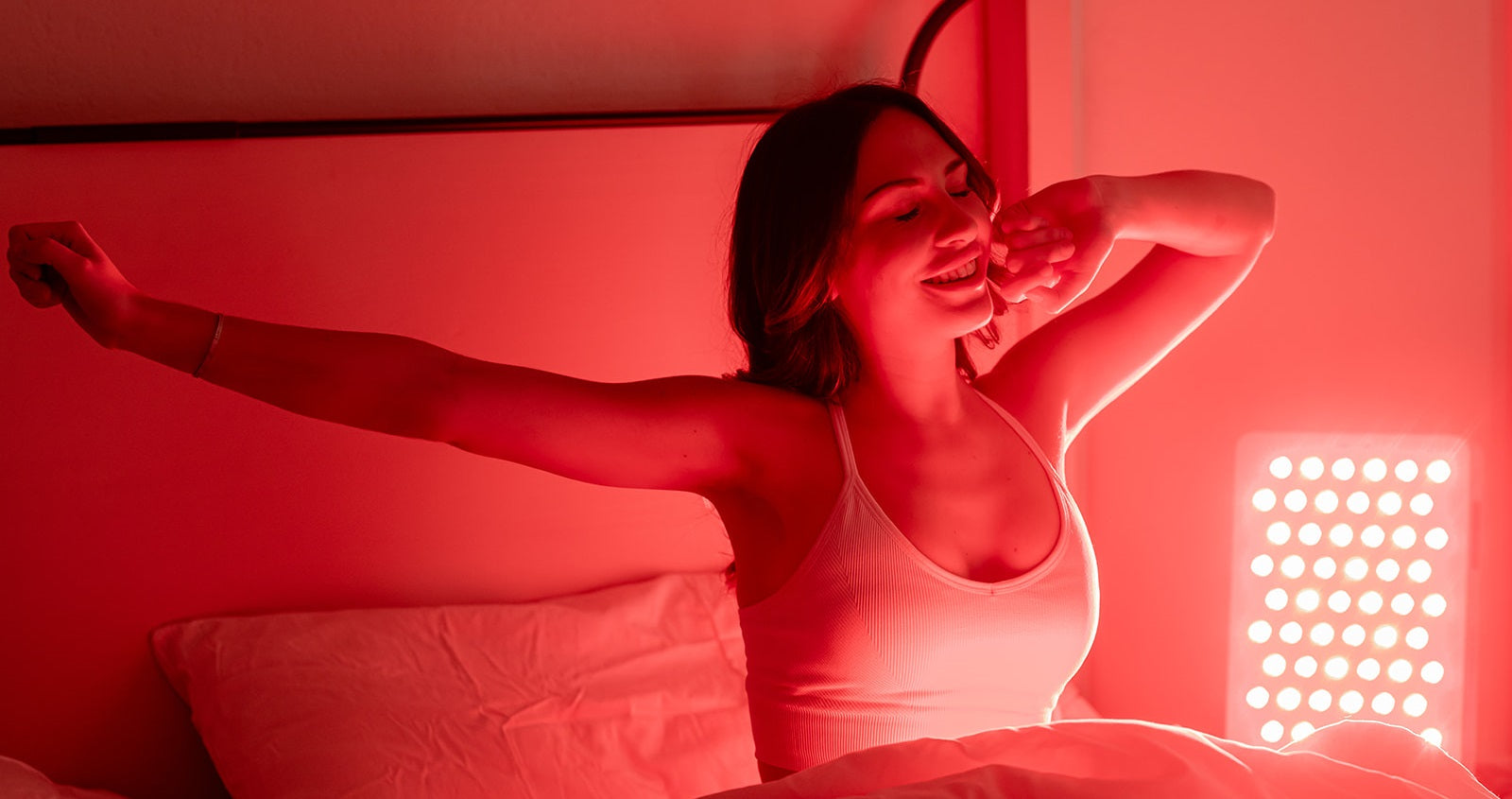
That really resonated with me. It’s not a “quick fix,” but it definitely moves the needle on how you feel over time.
The Physical Benefits: Joints and Skin
The main reason I bought a mito red light device was for the potential anti-inflammatory benefits. After years of running and lifting, my knees and shoulders usually feel a bit “rusty” in the morning. I started targeting those areas specifically, spending about 10-15 minutes focusing on my joints.
About six weeks in, the dull ache I usually felt in my left knee after a workout started to fade. It wasn’t gone entirely, but it was significantly less noticeable. I feel like I can recover faster between sessions, which means I’m more consistent with my workouts.
Then there’s the skin aspect. I wasn’t even thinking about this, but my face started looking a little more… vibrant? My wife actually asked if I was using a new moisturizer. I told her it was the light, and she didn’t believe me until she started using it herself.
Mark, a long-time user, shared his feedback: “I mainly got this for recovery after marathons, but the bonus has been the reduction in my facial redness. My skin tone looks much more even. It’s a nice surprise for something I bought for my legs.”
Addressing Common Concerns
I know a lot of people worry about the price tag. These units aren’t cheap, and I get that. But I look at it as a long-term investment in my health. I used to spend money on fancy supplements that did nothing. This is a one-time purchase (for the most part) that lasts for years.
Also, people worry about the intensity. I’ll be clear: you need to start slow. If you go too hard, too fast, you might feel a little overwhelmed or experience “light fatigue.” I started at 5 minutes a day for the first week, then bumped it up slowly to 10-15 minutes. It’s all about finding your personal sweet spot.
Another common question I get is about the setup. “Is it difficult to put together?” Honestly, it’s plug and play. Once you have a mounting option or a stand, it’s just a matter of hitting the power button. It’s not complicated at all.
Regarding the build quality, Jamie from Texas noted: “I’ve tried cheaper generic Amazon lights, but you can feel the difference in build quality with the Mito panels. They feel sturdy, the cooling fans are quiet, and the light output is noticeably stronger.”
Is It Worth Your Time?
If you’re someone who values recovery, sleep quality, and skin health, I think it’s a great tool to have in your corner. But don’t expect it to fix everything if you aren’t doing the basics—like drinking water and moving your body. It’s an additive tool, not a replacement for a healthy lifestyle.
For me, the mito red light has become a staple. It’s one of the few things I’ve added to my routine that I don’t feel like skipping. It’s relaxing, it’s effective, and I actually enjoy the time I spend in front of it. Even on days when I’m tired, taking 10 minutes to just stand there and breathe while the light works its magic is a win for my mental health, too.
Final Thoughts
Ultimately, your results will depend on your consistency. If you use it once a week, you’re going to be disappointed. If you build it into your day—like brushing your teeth—you’ll likely start seeing the benefits within a month or two. I’ve noticed a shift in my overall baseline, and I’m glad I took the chance on it.
Elena, another user, mentioned: “I was skeptical, but three months in, the stiffness in my hands from desk work has completely subsided. I’m a believer now.”
Everyone is different, but if you’ve been on the fence, consider starting with a smaller unit just to get a feel for it. It really is a game-changer for recovery. Just make sure you get a quality unit from a reputable brand—the difference in intensity and build is significant. I’m happy with my choice, and I’ll definitely keep using it as part of my long-term health protocol.