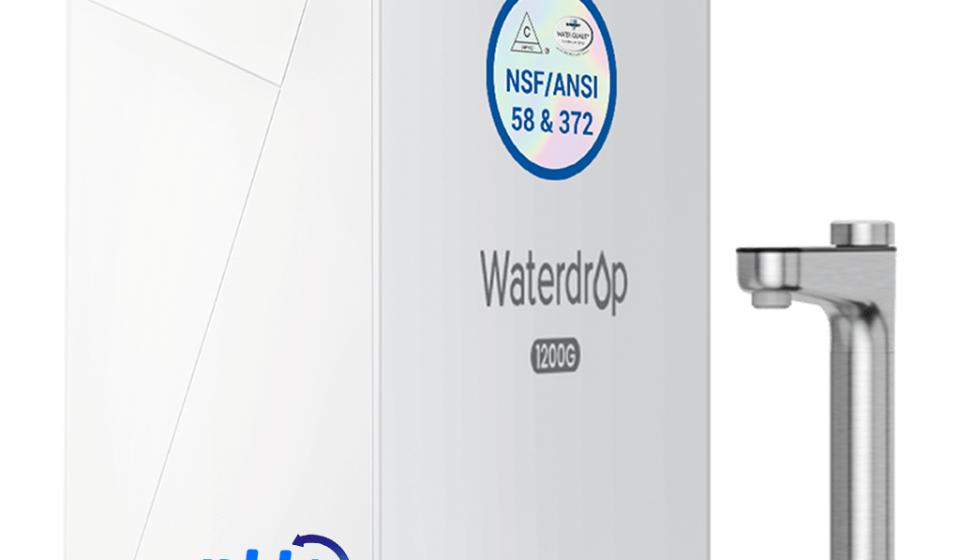

If you are anything like me, you have probably spent way too much time staring at your kitchen sink, wondering what is actually coming out of the tap. For years, I relied on those standard white pitchers that live in the fridge. You know the ones—they take forever to drip through, the filter indicators stop working after two weeks, and you always end up forgetting to buy replacements until you notice a weird, metallic tang in your glass of morning water.
A few months ago, I finally decided to upgrade. After reading through endless Reddit threads, watching YouTube teardown videos, and driving myself slightly crazy with research, I pulled the trigger on a waterdrop filter system. I wanted to see if the hype was real or if it was just another trendy kitchen gadget destined to end up in a garage sale.
Stick around because I am going to walk you through my daily experience, how the installation went (spoiler: I am not particularly handy), the taste test, and whether it is actually worth your hard-earned cash.
Why I Decided It Was Time for a Change
My breaking point wasn’t some dramatic news report about local water mains. It was simpler than that. I bought a fancy new coffee machine, and within three months, it was already giving me scale warnings. When I looked inside the water reservoir, there was a chalky white crust lining the bottom. If my machine was looking like that, what was happening to my insides?
Plus, let’s talk about bottled water. I hate carrying those plastic cases up my apartment stairs. It is terrible for the environment, expensive, and honestly, a lot of bottled water just tastes like… plastic. I needed something that would hook up easily, give me unlimited pure water, and not require a degree in plumbing to set up. That led me straight to checking out the Visit Official Website Now to figure out which model suited my small kitchen space best.
Unboxing and Setting Up: A Disaster Averted
I am notoriously bad at DIY projects. Give me an Allen wrench and a flat-pack bookshelf, and I will somehow end up with extra pieces and a bruised ego. So, when the big box arrived containing my chosen waterdrop filter unit, I felt a knot in my stomach.
Opening the box, though, was a relief. The packaging was neat, everything was labeled clearly, and the instruction manual actually looked like it was written by someone who speaks English as a first language. No confusing diagrams with missing steps.
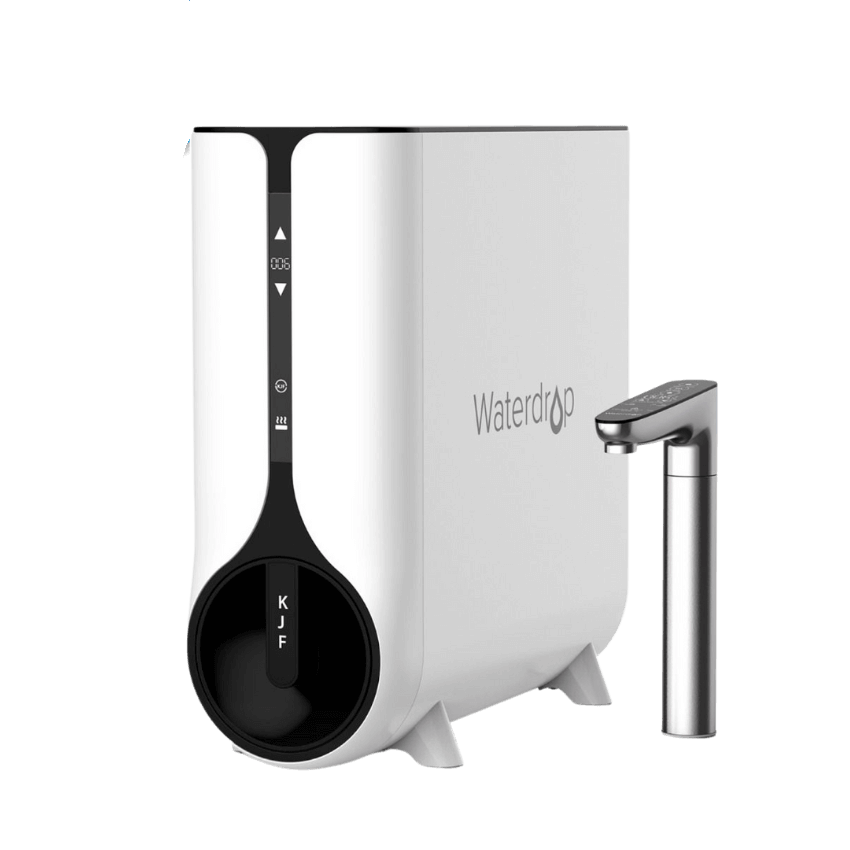
I went with a countertop reverse osmosis model because, living in a rental, drilling holes into my granite countertops was entirely out of the question. Landlords hate that. The setup basically consisted of:
- Unboxing the sleek, modern base unit.
- Rinsing out the main water tank.
- Inserting the twist-and-lock filters (which felt oddly satisfying, kind of like loading a cartridge into a coffee machine).
- Plugging it into the nearest outlet.
That was it. No plumbing tools, no plumbers tape, no swearing under the sink for two hours. Within ten minutes of cutting the tape on the shipping box, I was staring at a glowing LED screen telling me my system was ready to flush.
The Taste Test: Does It Actually Make a Difference?
Let’s get down to the most important part. Water is supposed to be tasteless, right? But if you have ever traveled, you know that tap water tastes wildly different depending on where you are. My tap water usually has a faint chlorine bite to it, especially in the summer.
The first glass I poured from my new waterdrop filter felt genuinely crisp. It sounds weird to describe water that way, but it tasted clean, almost sweet, without any chemical aftertaste. I actually poured a side-by-side glass for my partner—blind taste test style—and they picked the filtered water instantly without hesitation.
Even better? My morning coffee tastes noticeably brighter. Because the mineral buildup is gone, my coffee maker isn’t struggling, and the flavor profile of my medium-roast beans finally comes through properly instead of fighting with municipal additives.
Living With It: Day-to-Day Realities
Having a countertop filtration unit changes your kitchen habits in subtle ways. For starters, I drink way more water now. Because the tank sits right on the counter and looks like a futuristic coffee maker rather than a bulky water cooler, I am constantly filling up my insulated tumbler throughout the day.
The display screen on the front is a nice touch. It shows the Total Dissolved Solids (TDS) levels of both the input water and the output water. Watching that input number bounce around 200+ and seeing the output drop down to single digits (usually around 10-15) gives a weirdly satisfying sense of accomplishment.
Changing the filters is also ridiculously easy. With traditional under-sink systems, you usually need a wrench to loosen heavy plastic canisters, water spills everywhere, and you throw your back out trying to get them back on. Here, you just open the back magnetic panel, twist the old filter a quarter-turn, pull it out, and push the new one in. It takes maybe thirty seconds.
If you are curious about checking out the exact specifications or seeing what other styles they offer for different kitchen setups, you can browse through Visit Official Website Now.
Real Customer Feedback: What Are Others Saying?
My experience has been great so far, but I am just one person in an apartment. To give you a broader view, I spent some time digging through reviews from other buyers who have lived with these systems for six months to a year. Here is what real users are saying:
“I was skeptical about spending this much on a countertop filtration system, but our city water tastes like swimming pool water. This completely wiped out the chlorine taste. My kids actually ask for water from the machine instead of juice now, which is a massive parenting win.” — Sarah M., Austin, TX
“Installation took literally five minutes. No under-sink plumbing required, which saved me from paying a plumber a couple hundred bucks. The filter change indicator is super helpful, though replacement filters are a bit pricey. Still, totally worth it for the peace of mind.” — Marcus K., Denver, CO
“The TDS readout is a great feature. Seeing the numbers drop from 350 down to 12 makes you realize what you were drinking before. The only minor complaint is that the pump makes a slight buzzing sound when it’s refilling the tank, but it’s quieter than my dishwasher.” — Elena R., Seattle, WA
Reading through those reviews, I definitely agree with the point about the pump noise. It is not loud—kind of like a quiet hum from a refrigerator—but if your kitchen is dead silent, you will notice it for a minute or two while it tops off the reservoir.
Comparing Options: Pitchers vs. Under-Sink vs. Countertop
Before buying a waterdrop filter, I weighed my options carefully. Let’s break down why I avoided certain types and why I landed where I did.
1. The Standard Pitcher
Pros: Cheap upfront cost.
Cons: Tiny capacity, takes forever to filter, constantly need to buy flimsy filters, takes up valuable fridge shelf space.
2. Traditional Under-Sink Reverse Osmosis
Pros: Out of sight, high capacity.
Cons: Permanent installation, messy drilling, complex tubing that makes me nervous about leaks behind the cabinets, difficult filter changes.
3. Countertop Reverse Osmosis
Pros: Zero installation, portable if you move apartments, clear performance indicators, looks sleek on the counter.
Cons: Takes up counter space, requires a nearby power outlet.
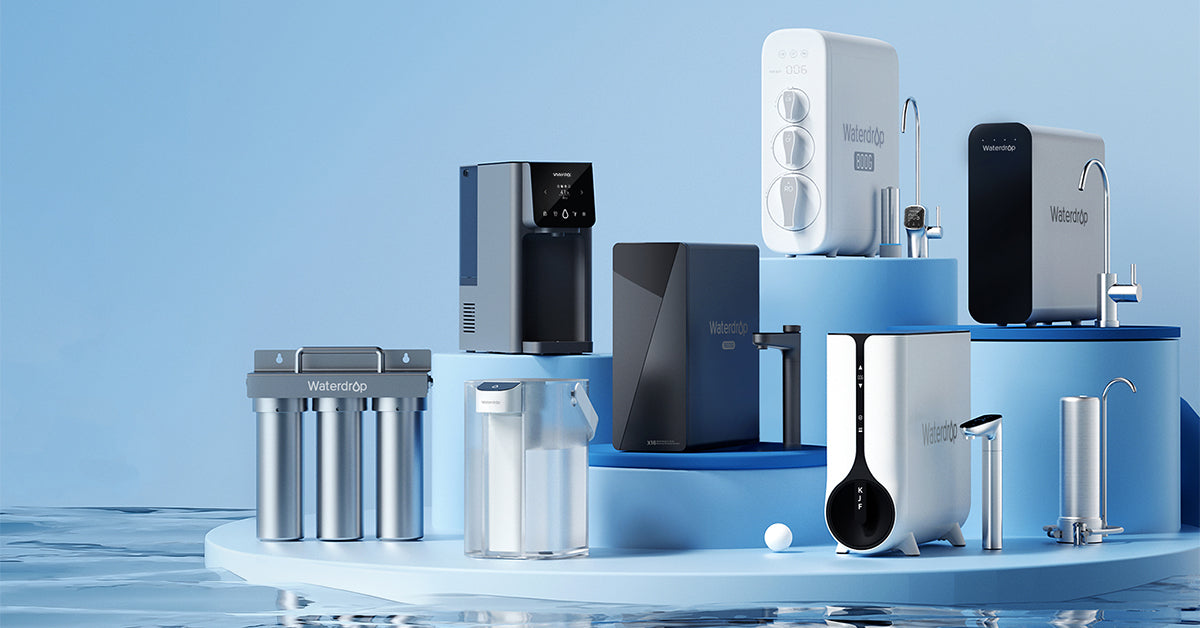
For my current living situation, the countertop model won by a landslide. If you own your home and want a seamless look with a dedicated faucet, an under-sink variant might be up your alley. Either way, exploring the lineup at Visit Official Website Now will help you figure out what fits your physical space best.
Pros and Cons After Months of Daily Use
Nothing is perfect. To give you the complete picture, here is my personal list of the good and the slightly annoying aspects of living with this setup.
The Good:
- Incredible taste: Truly removes funky municipal tastes and odors.
- Plug-and-play setup: No tools, no plumbers, no hassle.
- Smart display: Real-time water quality monitoring gives great reassurance.
- Waste water reduction: Newer models are much more efficient with how much water goes down the drain compared to older RO systems.
- Aesthetics: Looks modern and clean sitting next to the kettle.
The Not-So-Good:
- Counter space hog: If your kitchen is tiny, you will lose a bit of prep area.
- Filter cost: Replacement filters are an ongoing expense you need to budget for.
- Power dependent: If your power goes out, you won’t be dispensing filtered water until it comes back on.
For me, the pros heavily outweigh the cons. The convenience of having great-tasting water on demand without dealing with pitchers or heavy bottles is worth every penny.
Tips for Getting the Most Out of Your System
If you decide to grab a waterdrop filter for your home, here are a few quick tips I picked up along the way that will save you some minor headaches:
- Don’t skip the initial flush: When you set it up, the manual will tell you to run a few full tanks through and dump them out. Do it. It clears out any manufacturing dust and ensures the carbon filters are fully saturated.
- Wipe down the base: Because it sits on the counter, occasional splashes from filling tall bottles happen. A quick wipe down once a week keeps the plastic looking brand new.
- Keep an eye on the sales: Filter replacements can add up, so watch for bundle deals or subscription discounts on their official site so you aren’t caught paying full price when the indicator light turns yellow.
Final Verdict
Transforming my kitchen hydration setup was one of those small changes that surprisingly improved my daily routine. I drink more water, my coffee tastes better, and I no longer contribute to single-use plastic waste with endless packs of bottled water.
If you are tired of mediocre tap water, sick of slow fridge filters, and want something that just works right out of the box, give it a serious look. Ready to take the plunge and check out the current models and deals? You can easily find everything you need by heading over to Visit Official Website Now and seeing which system fits your kitchen setup best. Cheers to better hydration!
