
Hey everyone! If you’ve ever found yourself staring at a blank screen, dreaming of a beautiful website but dreading the thought of coding it from scratch, then you and I have definitely been in the same boat. For years, the idea of creating a professional, slick-looking website felt like a monumental task reserved for tech wizards or those with deep pockets for designers. Then I discovered ThemeForest, and let me tell you, it was a game-changer.
This isn’t just a review; it’s more of a personal narrative about how ThemeForest has become an indispensable tool in my web development arsenal, both for my own projects and for helping friends and small businesses get online without breaking the bank. So, grab a coffee, and let’s talk about ThemeForest.
What Exactly is ThemeForest? My First Foray into a World of Designs
Before I get into my experiences, for those who might not know, ThemeForest is essentially a massive online marketplace. Think of it like an Etsy for website themes. It’s part of Envato Market, and it hosts thousands upon thousands of premium themes and templates for various content management systems (CMS) like WordPress, Shopify, Magento, Joomla, and more. The vast majority of what you’ll find there are WordPress themes, which is where most of my experience lies.
I first stumbled upon ThemeForest a few years back when I was trying to launch a simple portfolio site for my freelance writing work. I knew I needed something that looked professional, was easy to update, and wouldn’t cost me an arm and a leg in design fees. Custom development was out of my budget, and frankly, I didn’t have the time or skill to code it myself. Free themes were an option, but often felt limited in features and design polish.
Browsing ThemeForest for the first time was both exhilarating and a little overwhelming. The sheer volume of options blew my mind. There were themes for every niche imaginable – blogs, e-commerce stores, corporate sites, portfolios, personal resumes, non-profits, you name it. It felt like walking into a massive digital library, each book a beautifully designed website waiting to be brought to life. I remember spending hours just clicking through demos, marveling at the creativity and functionality on display. It was clear this platform was going to be a significant part of my website building journey.
My Journey with ThemeForest: From Overwhelmed to Empowered
My personal experience with ThemeForest has been a rollercoaster of learning, discovery, and ultimately, immense satisfaction. I’ve used themes from ThemeForest for a handful of projects, each with its own set of challenges and triumphs.
Picking the Perfect Theme: A (Sometimes Lengthy) Process
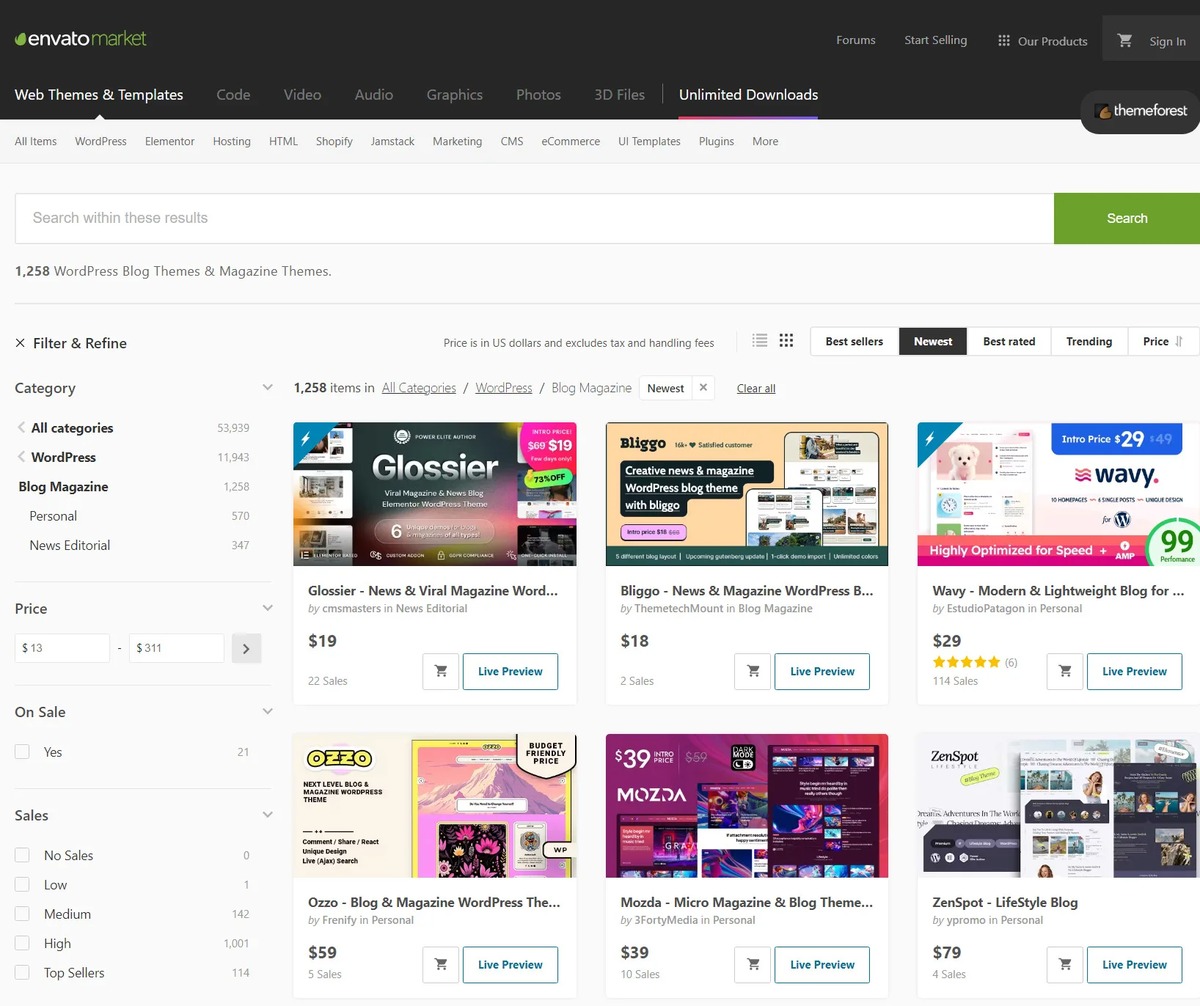
My first purchase was for that portfolio site. I had a clear idea of what I wanted: clean, minimalist, responsive, and easy to showcase my work. I learned quickly that filtering is your best friend on ThemeForest. You can filter by category, platform (WordPress, HTML, etc.), features (e.g., drag-and-drop builder, WooCommerce compatible), price, and even by ‘best sellers’ or ‘highest rated.’
I spent a good chunk of time clicking through live demos. This is crucial! Don’t just look at screenshots. Engage with the demo site:
- Test its responsiveness on different screen sizes (or use your browser’s developer tools).
- Click through all the pages, checking out different layouts and features.
- Assess the user experience – does it feel intuitive and fast?
I remember narrowing it down to about five themes for my portfolio. I looked at the number of sales, the star ratings, and especially the comments section for each theme. The comments often give you a glimpse into potential issues or the quality of support from the theme author. Finally, I settled on a theme called “Salient.” It had fantastic reviews, a beautiful design, and came bundled with a powerful page builder.
Installation and Customization: Where the Magic Happens (Mostly)
Once purchased, downloading the theme is straightforward. You get a zip file, usually containing the main theme, a child theme (always use this!), documentation, and often bundled plugins.
My installation process usually goes something like this:
- Install WordPress on my hosting.
- Upload and activate the main theme.
- Upload and activate the child theme (this is vital for making customizations without losing them during theme updates).
- Install and activate any required plugins the theme recommends (page builders like WPBakery or Elementor, sliders, contact form plugins, etc.).
- Import the demo content. This is where the website suddenly transforms from a barebones WordPress install into the beautiful site you saw in the demo. It’s always an “aha!” moment for me.
Then comes the fun part: customization. This is where the power of modern WordPress themes from ThemeForest really shines. Most premium themes come integrated with powerful drag-and-drop page builders. With Salient, it was WPBakery. I could literally drag elements onto a page, rearrange sections, change colors, fonts, and images, all without touching a line of code. For my portfolio, I customized the navigation, uploaded my own images, tweaked the typography to match my brand, and set up a contact form.
I also helped a friend set up an e-commerce store for her handmade jewelry using a popular WooCommerce theme from ThemeForest. That project was a bit more complex, involving setting up products, payment gateways, and shipping options. But again, the theme provided all the necessary integrations and styling out of the box, making the process much smoother than building it all from scratch. It truly felt like I was wielding professional-grade tools, even as a non-developer.
Support: A Mixed Bag, But Often a Lifesaver
One thing I’ve learned about ThemeForest is that the quality of support can vary. When you buy a theme, you’re usually buying it from an individual developer or a small team, not ThemeForest itself. These authors provide the support.
For my portfolio theme, I had a couple of small questions about a specific layout option, and the theme author’s support forum was incredibly responsive. They guided me through the solution quickly, which was a huge relief. However, I’ve also heard stories (and had one minor experience myself with a less popular theme) where support was slow or not as comprehensive.
My takeaway? *Always* check the comments section and the “Support” tab on the theme’s page before buying. Look for recent support interactions and how quickly the author responds. It gives you a good feel for what to expect if you run into a snag.
Why I Keep Coming Back to ThemeForest: The Undeniable Benefits
Despite the occasional learning curve, my ongoing relationship with ThemeForest is overwhelmingly positive. Here’s why I continue to recommend it and use it for my own projects:
1. Unmatched Variety and Niche Solutions
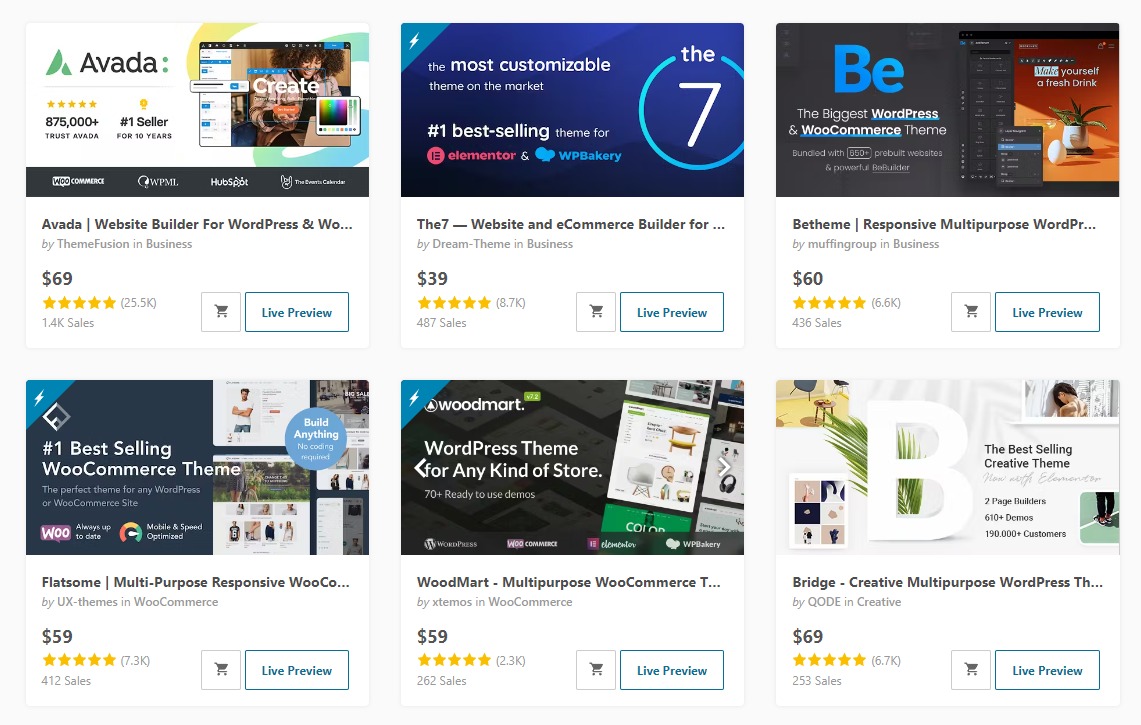
Seriously, the selection is insane. Whether you need a sophisticated multi-purpose theme, a minimalist blog layout, a cutting-edge landing page template, or something super specific like a theme for a gym, a restaurant, or an architect’s portfolio, ThemeForest has it. This incredible diversity means you’re almost guaranteed to find something that perfectly aligns with your vision and functional requirements. It saves countless hours of searching or trying to Frankenstein together features from different sources.
2. Professional Design at an Affordable Price
This is perhaps the biggest win. For the cost of a single premium theme (typically ranging from $30-$70), you get access to designs that would cost thousands if you hired a professional web designer to create them from scratch. The aesthetic quality, attention to detail, and modern design trends incorporated into these themes are truly impressive. It democratizes good design, making it accessible to small businesses and individuals who might not have a huge budget.
3. Feature-Rich and Functional Out-of-the-Box
Many ThemeForest themes come packed with features and bundled premium plugins that would cost extra if purchased separately. Things like drag-and-drop page builders (Elementor Pro, WPBakery), slider plugins (Revolution Slider), advanced forms, portfolio layouts, and e-commerce integrations are often included. This means you don’t just get a pretty face; you get a powerful, fully functional website right from the start.
4. Comprehensive Documentation and Demo Content
Most reputable themes come with detailed documentation that walks you through installation, setup, and customization. While it can sometimes be a bit technical, it’s usually thorough enough for anyone willing to spend a little time learning. The demo content is a lifesaver, allowing you to quickly get a site up and running that looks exactly like the preview, then simply replace the content with your own.
If you’re ready to explore the vast possibilities and find the perfect foundation for your next website, I highly recommend checking out their official marketplace.
Visit Official themeforest Website Now
Navigating the Nuances: Things to Keep in Mind
While my experience with ThemeForest has been largely positive, it’s not without its considerations. It’s important to go in with open eyes.
1. The “Paradox of Choice”
As I mentioned, the sheer number of themes can be overwhelming. Without a clear idea of what you need, you can easily get lost in endless browsing, making it harder to pick. This is where defining your project’s goals beforehand becomes incredibly important.
2. Learning Curve for Beginners
While page builders make customization much easier, installing a premium theme and configuring it still requires a basic understanding of WordPress and web hosting. It’s not always a completely plug-and-play experience, especially if you want to deviate significantly from the demo. There’s a learning curve involved, though it’s much shallower than learning to code from scratch.
3. Potential for “Bloat”
Some themes try to be everything to everyone. They come packed with so many features, plugins, and options that they can sometimes lead to “theme bloat.” This can slow down your website or make the backend a bit cumbersome to navigate. I’ve learned to look for themes that are feature-rich but also emphasize performance and clean code. Reviews often highlight if a theme is particularly heavy.
4. Variability in Quality and Support
While many themes are top-notch, not all themes on ThemeForest are created equal. Some authors provide incredible support and regularly update their themes; others might be slower to respond or abandon themes after a while. This is why checking reviews, support tabs, and the last update date is so critical.
What Real Users Are Saying About ThemeForest
It’s not just me who finds ThemeForest incredibly useful. I’ve seen countless people, from small business owners to fellow freelancers, benefit from the platform. Here’s a glimpse into what some others have experienced:
“I was initially intimidated by the sheer number of options, but once I found a theme that fit my vision, the documentation made setup surprisingly straightforward. My small business website looks incredibly professional now!” – Sarah K., Small Business Owner.
“ThemeForest saved me thousands. I needed a robust e-commerce site, and instead of hiring a developer from scratch, I picked up a top-rated WooCommerce theme. The support team for the theme was fantastic when I had a tricky customization question.” – Mike T., Online Retailer.
“Be careful what you pick. I bought a really cheap theme once, and the support was non-existent. Learned my lesson! Now I only go for themes with lots of sales and stellar reviews, even if they cost a bit more. It’s worth it for the peace of mind.” – Emily R., Freelance Designer.
“My latest project needed a specific kind of portfolio layout, and I literally scrolled for hours on ThemeForest. Found the perfect one, and the customization options were extensive without needing any coding. Very happy with the result for my photography business.” – David L., Professional Photographer.
These sentiments pretty much echo my own journey – the initial overwhelming feeling, the immense value, and the crucial importance of doing your homework before purchasing.
My Top Tips for Getting the Most Out of ThemeForest
Based on my years of using ThemeForest, here are my go-to strategies to ensure a smooth and successful experience:
- Define Your Needs Clearly: Before you even open ThemeForest, list out all the essential features your website absolutely *must* have. What’s its purpose? Who’s your audience? What specific functionalities do you need (e.g., booking system, e-commerce, portfolio gallery, blog)?
- Utilize Filters Ruthlessly: Don’t just browse randomly. Use ThemeForest’s powerful filtering options. Filter by category, CMS, features (e.g., “Responsive,” “Drag and Drop Builder,” “RTL Support”), price, and crucially, by “Sales” and “Rating.” This will significantly narrow down the overwhelming options.
- Thoroughly Explore Live Demos: I can’t stress this enough. Click every button, visit every page, test responsiveness, and check load times. Imagine your content in place of the demo content.
- Read Reviews and Check Support Quality: Spend time reading user reviews. Check the “Comments” and “Support” tabs on the theme page. Look for active authors who respond quickly and effectively to user queries. This is probably the most important step for long-term satisfaction.
- Check the Last Update Date: A regularly updated theme means the author is actively maintaining it, addressing bugs, and ensuring compatibility with the latest versions of WordPress and plugins. Avoid themes that haven’t been updated in a year or more.
- Prioritize Performance: A beautiful but slow website is a bad website. Look for themes that highlight speed optimization. Reviews can often shed light on a theme’s performance.
- Look for Comprehensive Documentation: While you can often figure things out, good documentation is a lifesaver when you hit a wall. Most quality themes will offer extensive guides.
- Don’t Be Afraid to Ask Pre-Purchase Questions: If you have specific questions about a feature or compatibility, use the comments section to ask the theme author *before* you buy. Their response time and clarity can be very telling.
Seriously, taking these steps will save you a lot of potential headaches down the line. It’s all about making an informed decision.
Visit Official themeforest Website Now
My Own “Aha!” Moments with ThemeForest
Throughout my journey, there have been a few standout moments where ThemeForest truly shone for me:
The first time I launched a client’s local restaurant website using a popular ThemeForest restaurant theme, and they teared up because it looked exactly like the high-end site they’d always dreamed of, but thought they could never afford. That feeling of empowering a small business with a professional online presence, all thanks to an affordable template, was incredibly rewarding.
Another “aha!” moment came when I realized how much I was learning about web design principles, WordPress functionality, and even basic SEO, just by customizing these themes. ThemeForest themes, especially those integrated with robust page builders, offer a fantastic sandbox for learning practical web development skills without having to start from zero. It’s a structured environment where you can experiment and see immediate results.
And then there was the personal satisfaction of building my own passion project, a niche blog about vintage cameras. I found a beautifully retro-styled blog theme on ThemeForest, customized it to perfection, and launched it feeling incredibly proud. It was a testament to how accessible professional-grade web design had become for anyone willing to dive in.
Is ThemeForest Right for You?
So, after all this, the big question: Is ThemeForest the right solution for *your* website needs?
I’d say ThemeForest is an excellent choice for:
- Small Business Owners: Who need a professional online presence without a massive budget for custom development.
- Bloggers and Content Creators: Looking for stunning, functional, and easy-to-manage blog layouts.
- Freelancers and Agencies: Who want to quickly prototype sites for clients or need a robust starting point that can be customized.
- E-commerce Ventures: Seeking powerful and stylish online store solutions with WooCommerce integration.
- Anyone with a Vision: If you have a clear idea of what you want your website to look like and do, ThemeForest can provide the perfect template to bring it to life.
It might be a bit challenging if you are an absolute beginner with zero technical comfort and no patience for learning. In that case, a simplified website builder might be a better starting point, though you’ll often sacrifice flexibility and unique design. But for anyone willing to invest a little time into learning and customization, the value proposition of ThemeForest is undeniable.
Visit Official themeforest Website Now
Wrapping It Up: My Final Thoughts on ThemeForest
ThemeForest has profoundly changed how I approach website development. It’s transformed what once felt like an insurmountable barrier into an exciting creative process. It empowers individuals and small businesses to compete with larger enterprises online, all while maintaining a personal touch and staying within budget.
Yes, it requires a bit of due diligence on your part – picking the right theme, checking the reviews, and being prepared for a bit of a learning curve. But the payoff is immense: a beautifully designed, functional, and professional website that you can be truly proud of. If you’re looking to build a new website or revamp an old one, and you want access to a world of professional designs without breaking the bank, I genuinely believe ThemeForest is one of the best places to start your search.
Go ahead, take a look, and see what possibilities await. Your next amazing website could be just a few clicks away!
Visit Official themeforest Website Now